
The chilling legend of the Drekavac has long haunted the shadows of Slavic folklore, whispering fears into the hearts of those who dare to listen.
This eerie creature, often described as a horrifying blend of child and beast, emerges from the darkness with a blood-curdling scream that heralds doom and despair.
But what secrets lie behind the ghastly visage of the Drekavac? Is it merely a figment of ancient superstition, or does it hide a more sinister truth?
Join me as we delve into the spine-tingling tales and enigmatic origins of this forgotten terror, guaranteed to send shivers down your spine and leave you questioning the boundary between myth and reality.
Ancient Slavic Roots
The Drekavac’s origins trace back to the rich tapestry of ancient Slavic mythology. In these early cultures, the Drekavac was often depicted as the restless spirit of a deceased, unbaptized child. This spectral entity was believed to roam the night, wailing in sorrow and seeking redemption.
The Slavs, with their deep-rooted beliefs in the afterlife and supernatural phenomena, viewed the Drekavac as an omen of impending misfortune or death. Its ghastly cry was said to be heard in the darkest hours, sending villagers into a state of fear and trepidation.
These tales, passed down through generations, have embedded the Drekavac deeply within the folklore, making it a symbol of the unknown and the feared. Understanding these ancient roots provides a glimpse into the cultural psyche that birthed and sustained the legend of the Drekavac.
Evolution Through Time
As centuries passed, the legend of the Drekavac evolved, adapting to the changing cultural landscapes. Originally a symbol of unbaptized children’s unrest, the Drekavac began to embody broader fears and societal anxieties. During the Middle Ages, tales of the Drekavac were often used to warn against the dangers lurking in the wilderness and to enforce moral conduct among communities.
With the arrival of modernity and the decline of traditional beliefs, the Drekavac’s image shifted yet again. It became a subject of folklore studies and a figure in horror literature and media, capturing the imagination of a wider audience. This evolution not only reflects the Drekavac’s adaptability as a myth but also highlights the enduring nature of human fear and fascination with the supernatural. Through these transformations, the Drekavac remains a potent reminder of the mysteries that lie beyond the realm of the known.

Regional Variations
The Drekavac legend varies significantly across different Slavic regions, each adding unique elements to its horrifying lore. In Serbia, the Drekavac is often portrayed as a ghastly creature with features of both a child and an animal, sometimes depicted with long, matted hair and glowing eyes. In Croatian folklore, the Drekavac is believed to be a shape-shifter, capable of transforming into a variety of forms to instill fear in its victims.
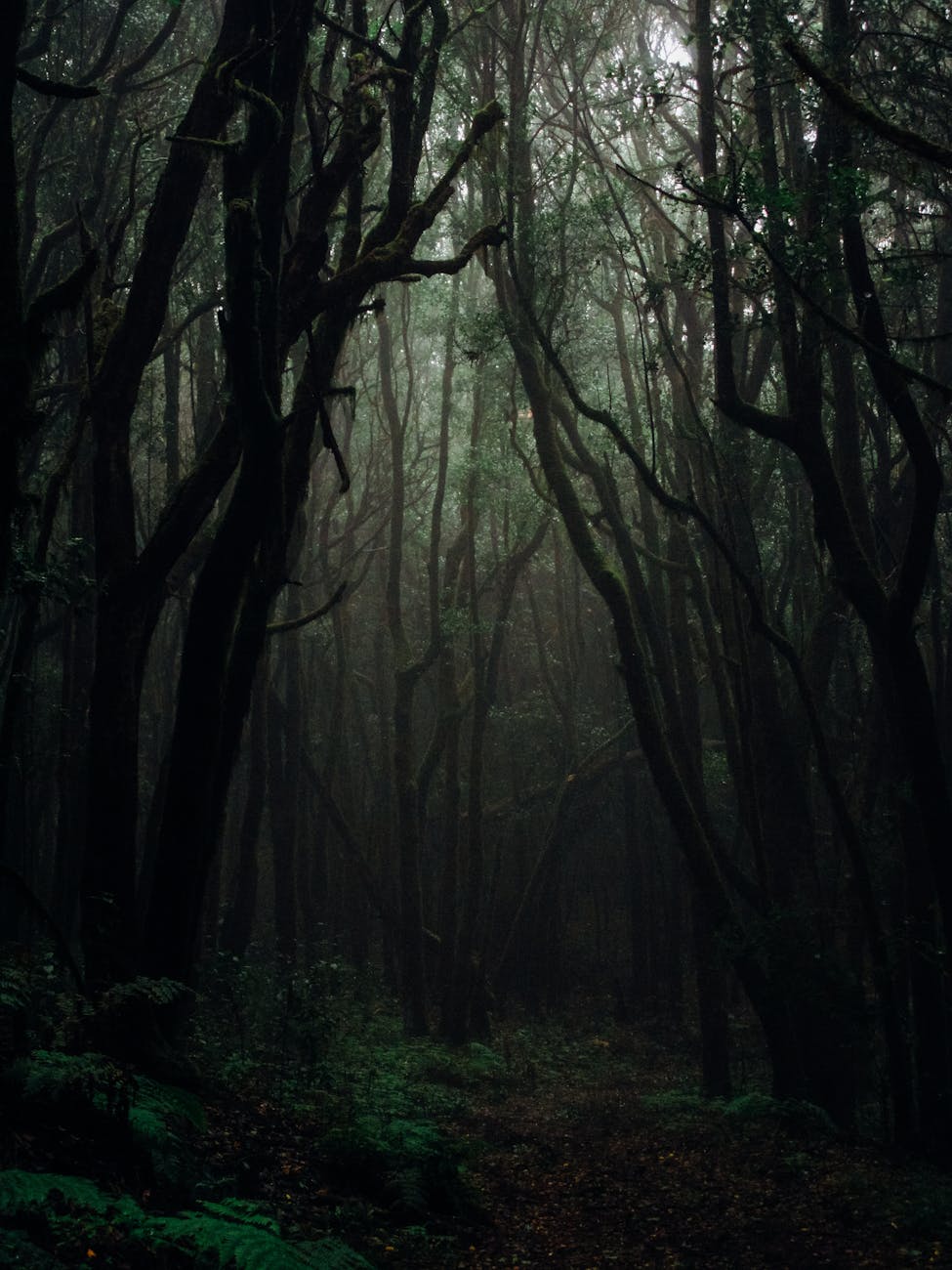
Meanwhile, in Bosnia, the creature is often associated with dense forests and desolate areas, where its mournful cries are said to echo through the trees. These regional variations not only enrich the myth but also reflect the diverse cultural nuances and environmental influences of the areas they originate from. By examining these local adaptations, we gain a deeper understanding of how the Drekavac has been perpetuated and reimagined throughout Slavic history.
Haunting Appearance
The Drekavac’s appearance is as unsettling as its legend. Typically described as a grotesque fusion of human and animal traits, this creature’s most striking feature is its emaciated, skeletal frame. Its skin is often depicted as pallid and translucent, revealing the outline of bones beneath.
Some accounts describe the Drekavac with elongated limbs and claw-like fingers, enhancing its predatory aura. Its face, a disturbing blend of childlike innocence and beastly ferocity, often includes large, hollow eyes that seem to pierce through the soul of anyone who dares to meet its gaze. The Drekavac’s mouth, filled with sharp, jagged teeth, is said to emit a blood-curdling scream that can be heard from miles away.
This chilling visage not only serves to terrorize those who encounter it but also symbolizes the boundary between the mortal world and the supernatural.
Eerie Sounds and Screams
One of the most terrifying aspects of the Drekavac legend is its distinctive, spine-chilling scream. Often described as a combination of a child’s wail and a beast’s roar, the sound of the Drekavac’s cry is said to instill immediate dread in anyone who hears it. This eerie noise is believed to be an omen of imminent misfortune or death, causing entire villages to shudder in fear. The scream’s volume and intensity can vary, sometimes echoing faintly through the night and at other times piercingly loud, as if the creature is right beside you. Beyond its screams, the Drekavac is also associated with unsettling whispers and rustling sounds in the dark, adding to the sense of pervasive dread.
These auditory elements not only enhance the creature’s terrifying presence but also contribute to its role as a harbinger of doom in Slavic folklore.
Omens and Warnings
The Drekavac is not merely a figure of terror but also a portent of impending misfortune. In Slavic folklore, encountering this creature or hearing its scream is considered a dire warning.
The Drekavac’s appearance is often interpreted as a harbinger of death, illness, or calamity. Some legends even specify that the creature appears to forewarn of the death of a child, linking back to its origins as the restless spirit of unbaptized children. Farmers in rural areas believed that the Drekavac’s presence signaled poor harvests or the death of livestock, further amplifying the creature’s ominous reputation.
These omens served as cautionary tales, reminding communities to adhere to religious practices and moral conduct. Through its role as a bearer of warnings, the Drekavac reinforces the theme of consequences that permeate much of Slavic mythology, blending fear with moral lessons to guide societal behavior.


 Katie Marie Robinson-Sherlock
Leave a reply to Katie Marie Cancel reply