
Halloween, with its eerie charm and spine-chilling traditions, has a rich and complex history in the United Kingdom, evolving from ancient pagan rituals to the modern celebration of all things frightful. Imagine the flickering bonfires of Samhain, where communities once gathered to ward off wandering spirits, transforming over centuries into the pumpkin-carving, costume-wearing spectacle we know today.
How did these ancient practices morph into the haunted houses and ghostly tales that thrill us each October?
In this journey through time, I will unravel the dark and fascinating evolution of Halloween in the UK, uncovering the origins of its most sinister customs and the legends that still send shivers down our spines. Prepare to be captivated by a tale that spans from ancient rites to contemporary frights.
Ancient Pagan Roots: Celtic Samhain Festival
The Celtic Samhain Festival, held from October 31st to November 1st, marks the transition from the harvest season to winter. Samhain, meaning “summer’s end,” was a key event in the ancient Celtic calendar. During this time, it was believed that the veil between the living and the dead was at its thinnest, allowing spirits to cross over into the human world. To protect themselves, people lit bonfires and donned disguises to ward off malevolent spirits.
Offerings of food and drink were also left outside homes to appease wandering souls. These activities were not just about fear, but also about celebrating the deceased and the cycle of life and death. This festival laid the groundwork for many Halloween customs we recognize today, blending reverence and caution in the face of the supernatural.
Ancient Pagan Roots: Spirits and Bonfires
Central to the Samhain Festival were the bonfires, which played a crucial role in the ancient rituals. These massive fires were lit on hilltops and were believed to have protective and cleansing powers. Communities gathered around these bonfires to burn offerings and sacrifices, hoping to gain favor from the gods and ward off evil spirits. The light and warmth from the bonfires were thought to guide friendly spirits to their kin and keep harmful entities at bay.
People would often take embers from these communal fires to relight their home hearths, symbolizing unity and protection for the coming winter. The bonfires, crackling and glowing under the night sky, created an atmosphere ripe for ghost stories and mystical encounters, setting the stage for the spooky ambiance that Halloween still embodies today.
Ancient Pagan Roots: Harvest Celebrations
Samhain was not only about spirits and bonfires but also about celebrating the harvest. As the final harvest festival of the year, it was a time to gather the last crops and prepare for the harsh winter months ahead. Communities would come together to share feasts, featuring the bounty of their fields. Foods like apples, nuts, and grains played a significant role in these celebrations, symbolizing abundance and sustenance. These gatherings also included storytelling and singing, fostering a sense of community and continuity.
The harvest celebrations were a way to honor the earth’s fertility and express gratitude for the sustenance it provided. This aspect of Samhain helped to embed the festival deeply into the agricultural cycle, making it a crucial time of reverence and reflection. The blending of these harvest traditions with supernatural elements created a rich tapestry of customs that have influenced Halloween’s evolution over the centuries.
Medieval Transformations: Christian Influence
As Christianity spread across the British Isles, it began to absorb and transform local pagan traditions, including Samhain. In an effort to replace the pagan festival with a Christian observance, the Church established All Saints’ Day on November 1st, a day to honor saints and martyrs. The evening before became known as All Hallows’ Eve, eventually shortening to Halloween. This transition was part of a broader strategy to Christianize existing pagan festivals, making them more palatable to converts.
Despite these efforts, many of the original Samhain customs persisted, albeit with new Christian meanings. People continued to light bonfires, now interpreted as a way to guide souls to heaven, and to dress in costumes, symbolizing the saints, angels, and even devils. This blend of pagan and Christian elements created a unique fusion that carried forward, laying the foundation for the Halloween traditions we recognize today.
Medieval Transformations: All Hallows’ Eve
All Hallows’ Eve, the precursor to modern Halloween, became a significant observance in medieval Europe following the Christianization of Samhain. This evening before All Saints’ Day was a time to remember the dead, including saints, martyrs, and all the faithful departed. Many of the customs associated with Samhain, such as lighting bonfires and wearing costumes, persisted but were infused with Christian symbolism.
Bonfires were now seen as a means to light the way for souls on their journey to the afterlife, while costumes might represent saints or biblical figures. It was also common for people to visit houses, offering prayers for the dead in exchange for soul cakes, a practice that evolved into modern-day trick-or-treating. This blending of pagan and Christian traditions created a rich and complex tapestry of customs that have evolved into the Halloween festivities we enjoy today.
Medieval Transformations: Merging Traditions
The merging of pagan Samhain and Christian All Hallows’ Eve created a unique blend of customs that enriched the Halloween tradition. As these traditions intertwined, new practices emerged, reflecting both the reverence for the dead and the thrill of the supernatural. For instance, the act of “souling” became popular, where children and poor adults would go door-to-door, singing prayers for the dead in exchange for food and money. This practice laid the groundwork for modern trick-or-treating.
Additionally, the concept of the “Wild Hunt,” a ghostly procession in the sky believed to occur during Samhain, was reinterpreted through a Christian lens, becoming a spectral event led by the devil or a cursed soul. These evolving narratives and customs created a rich tapestry of folklore that has endured through centuries. The fusion of these traditions has given Halloween its unique character, a celebration that balances the sacred and the profane, the somber and the playful.
Victorian Revival: Gothic Literature’s Impact
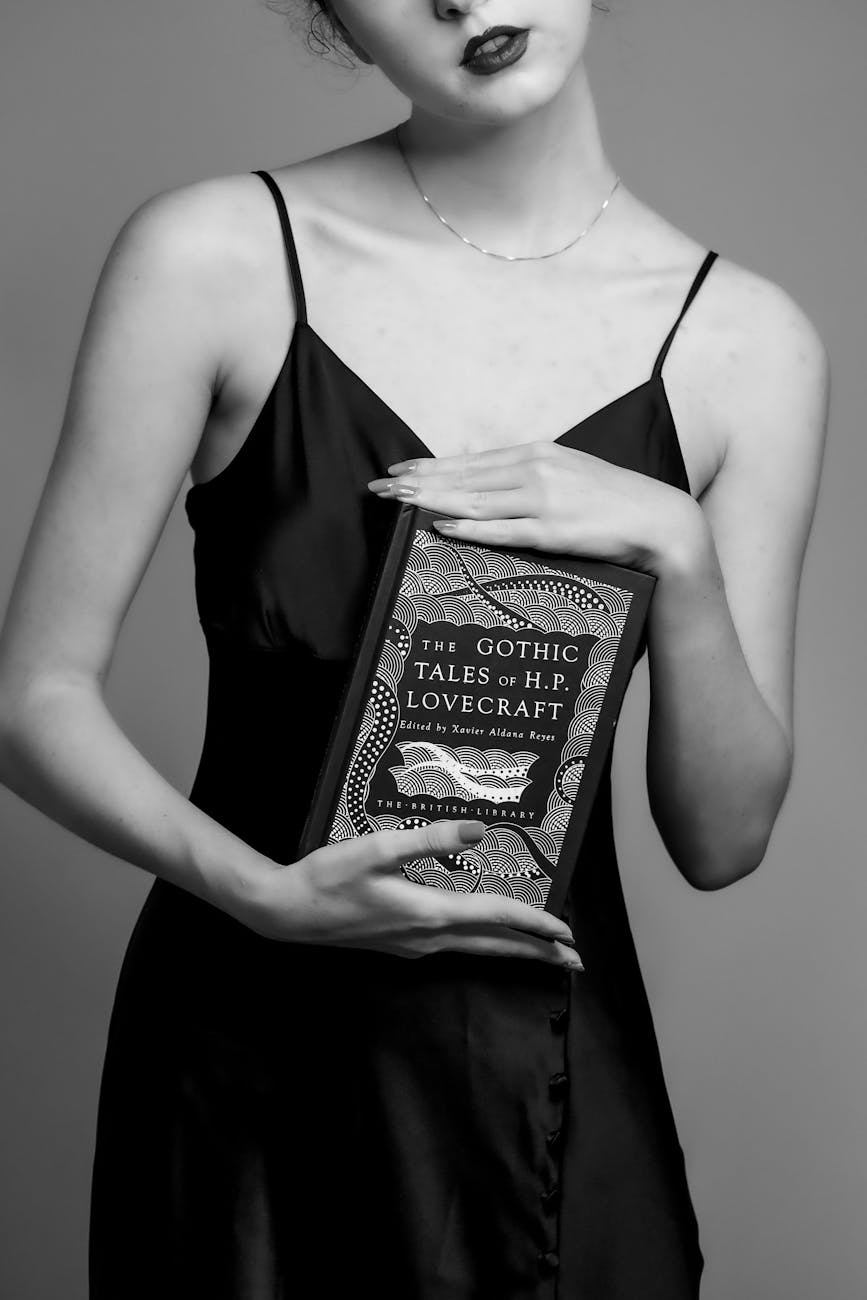
The Victorian era saw a revival of interest in the supernatural, significantly influenced by Gothic literature. Authors like Mary Shelley, Bram Stoker, and Edgar Allan Poe captivated readers with tales of horror, ghosts, and dark mysteries. These stories often explored themes of death, the macabre, and the unknown, resonating deeply with Victorian sensibilities. As a result, Halloween began to incorporate more elements of horror and the supernatural.
The fascination with Gothic novels spurred an interest in haunted houses, ghost stories, and eerie folklore, making them staples of Halloween celebrations. This period also saw the rise of seances and spiritualism, as people sought to connect with the otherworldly. The impact of Gothic literature on Halloween cannot be overstated; it transformed the holiday into a night not just of remembrance, but of thrilling fear and spine-tingling excitement, laying the groundwork for the haunted festivities we enjoy today.
Victorian Revival: Halloween in the Cities
During the Victorian era, Halloween traditions began to shift from rural settings to urban areas, adapting to the changing social landscape. As people moved to cities for work, Halloween celebrations followed, transforming into communal events in urban neighborhoods. Urbanization brought about new ways to celebrate, such as public parades, masquerade balls, and social gatherings. These events often featured elaborate costumes, music, and dancing, blending traditional customs with contemporary entertainment.
Additionally, the commercial aspect of Halloween started to emerge, with stores selling decorations, costumes, and party supplies. The city environment also fostered a sense of community, as neighbors participated in shared festivities, strengthening social bonds. This urban adaptation of Halloween helped to spread and popularize the holiday, making it more accessible and enjoyable for a broader audience. The shift to city celebrations marked a significant step in Halloween’s evolution, shaping it into the vibrant and widespread holiday we recognize today.
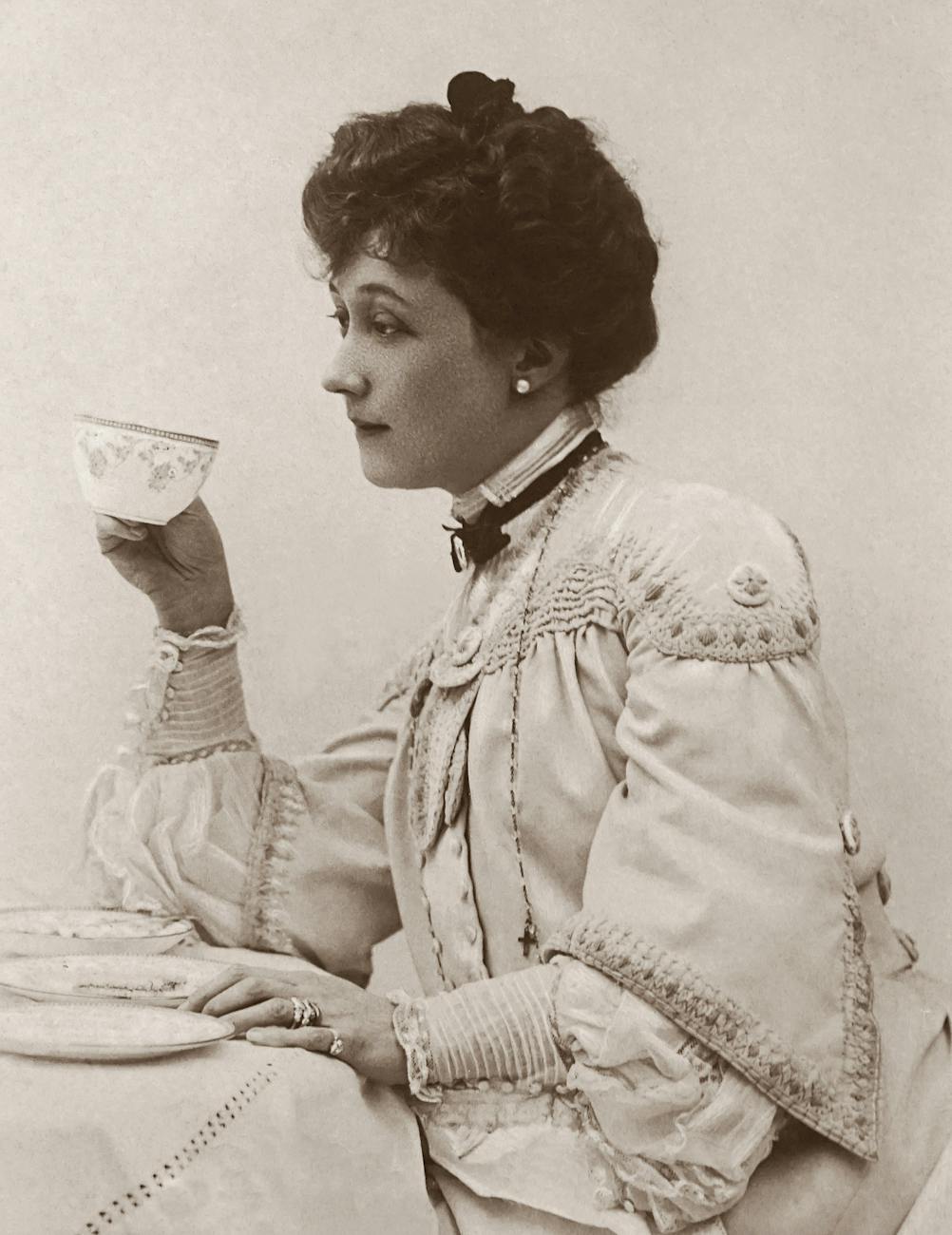
Victorian Revival: Ghost Stories and Parlor Games
Ghost stories and parlor games became central to Victorian Halloween celebrations, reflecting the era’s fascination with the supernatural. Families and friends gathered in dimly lit parlors to share eerie tales, often inspired by Gothic literature. These stories, filled with haunted houses, restless spirits, and mysterious occurrences, were designed to send shivers down the spine. The tradition of telling ghost stories on Halloween nights tapped into the Victorian love for a good scare, blending entertainment with the thrill of the unknown.
Parlor games also played a significant role in these gatherings. Popular games included “bobbing for apples” and “snap-apple,” which involved trying to bite an apple suspended on a string. These activities added an element of fun and competition to the evening. Other games, like fortune-telling, further incorporated the mystical and supernatural, allowing participants to peer into their futures. These traditions added layers of excitement and communal bonding to Victorian Halloween festivities, enriching the holiday’s cultural tapestry.
Modern Halloween: American Influence
The modern celebration of Halloween in the UK has been significantly shaped by American customs and traditions. As American pop culture spread globally in the 20th century, British Halloween began to adopt elements like trick-or-treating, pumpkin carving, and elaborate costume parties. Hollywood films and TV shows popularized these practices, making them appealing to younger generations. The American focus on community-based activities and family-oriented fun added a new dimension to the holiday, making it more inclusive and widespread.
Retailers also played a crucial role in this transformation, as stores began to stock Halloween-themed products, from decorations to candy. This commercialization helped standardize and promote these new customs across the UK. The influence of American Halloween has created a hybrid celebration that combines traditional British elements with modern American flair. Today, Halloween in the UK features a mix of spooky storytelling, community events, and festive activities, reflecting a rich cultural exchange between the two nations.

Modern Halloween: Trick-or-Treating
Trick-or-treating has become one of the most iconic aspects of modern Halloween, especially in the UK. Borrowed from American traditions, this practice involves children dressing up in costumes and going door-to-door, asking for sweets with the phrase “trick or treat.” The origins of trick-or-treating can be traced back to medieval customs of “souling” and “guising,” where people would go from house to house, offering prayers or songs in exchange for food.
In the UK, trick-or-treating gained popularity in the late 20th century, influenced by American movies and TV shows that showcased this festive activity. Today, it is a staple of Halloween night, creating a sense of community as neighbors participate in the fun by decorating their homes and handing out treats. This tradition not only adds excitement for children but also brings neighborhoods together, fostering a spirit of camaraderie and shared celebration. The joyful anticipation of trick-or-treating continues to be a highlight of Halloween festivities.
Modern Halloween: Horror Films and Pop Culture
Horror films and pop culture have significantly influenced the modern celebration of Halloween in the UK. Movies like “Halloween,” “A Nightmare on Elm Street,” and “The Exorcist” have become Halloween staples, contributing to the holiday’s spooky atmosphere. These films, with their chilling narratives and iconic characters, have cemented Halloween as a time for horror and suspense.
Pop culture has also introduced a variety of Halloween-themed events and activities. Horror film marathons, themed parties, and haunted attractions draw inspiration from popular media, offering immersive experiences that thrill and entertain. Characters from horror movies and TV shows often inspire costumes, adding a layer of creativity and fandom to the celebrations.
Furthermore, the influence of social media has amplified these trends, with platforms like Instagram and YouTube showcasing elaborate Halloween preparations, makeup tutorials, and DIY decorations. This blend of horror films and pop culture ensures that Halloween remains a dynamic and evolving celebration, deeply rooted in the thrill of fear and the excitement of creativity.


 Katie Marie Robinson-Sherlock
Leave a reply to Katie Marie Cancel reply