
In the heart of 18th century France, a chilling enigma terrorized the quiet province of Gévaudan, weaving a tale that would become a cornerstone of French folklore and a captivating historical mystery.
The Beast of Gévaudan, as it came to be known, left behind a trail of fear and speculation, with beast sightings and harrowing accounts feeding the imagination of generations to come. What kind of creature could unleash such terror, leaving both folklore enthusiasts and historians intrigued by its elusive nature?
In this exploration, I will delve into the haunting narratives of the Beast of Gévaudan, unraveling the layers of Gevaudan folklore that continue to stir curiosity and excitement among those who seek to uncover the truth behind this spectral anomaly. Prepare to be drawn into a suspenseful journey through the shadows of history, where reality and legend blur in the pursuit of answers.
Origins of Gevaudan Folklore
The origins of Gevaudan folklore are steeped in a mix of fear, confusion, and cultural storytelling. It all began in the remote, rugged landscapes of the Gévaudan region, where the first beast sightings were reported in 1764.
These initial encounters soon spiraled into a series of mysterious attacks, primarily targeting women and children. The local populace, living in an era with limited scientific understanding, could only interpret these events through the lens of their cultural beliefs and superstitions.
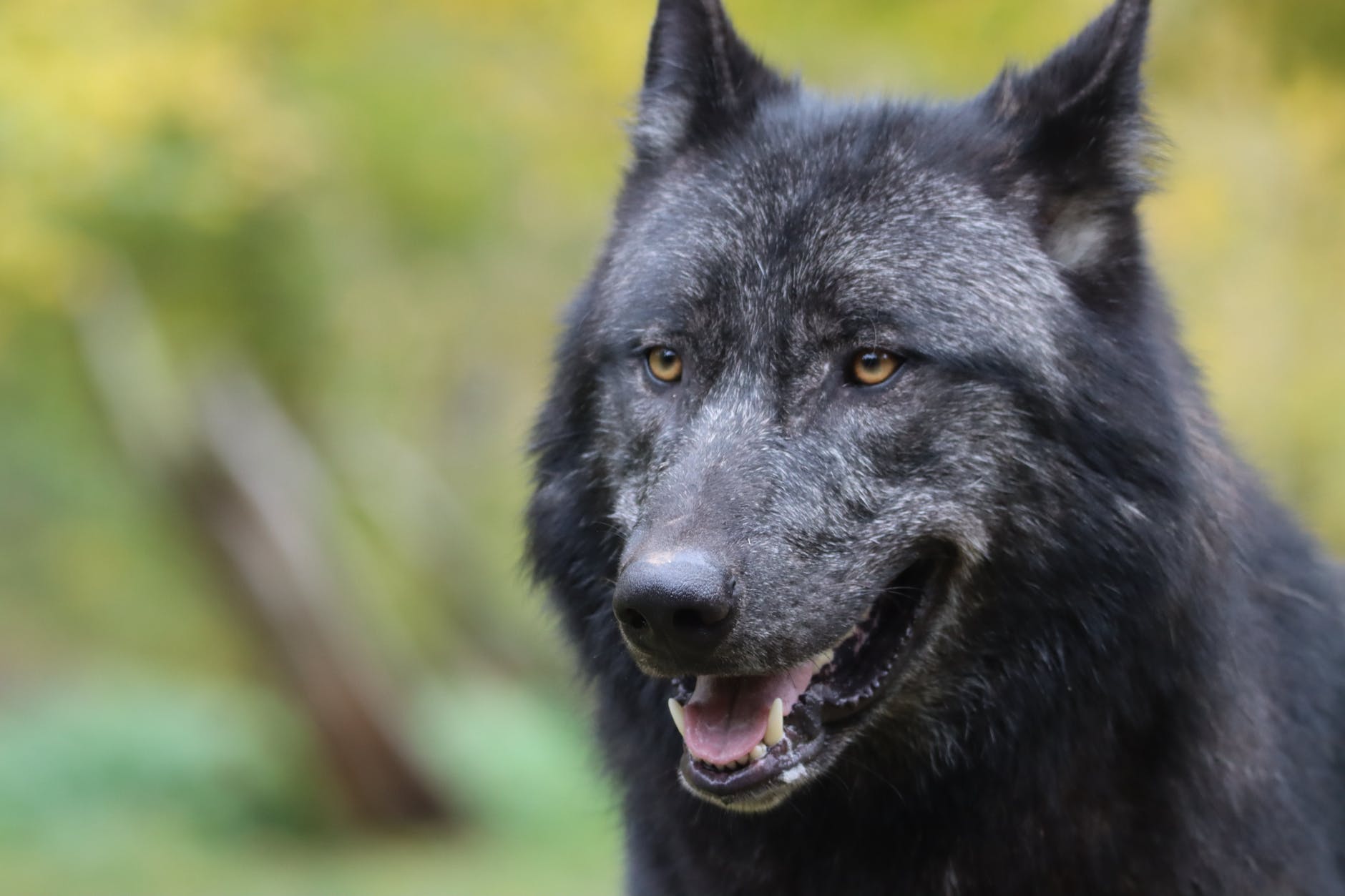
Thus, the Beast of Gevaudan quickly became a symbol of terror, its identity shrouded in mystery. Some believed it to be a supernatural creature, while others speculated it was a wolf or even a werewolf. This blend of fear and intrigue laid the groundwork for the enduring Gevaudan folklore that captivates historians and enthusiasts of French folklore to this day.
Terrifying Beast Sightings
The terrifying beast sightings that plagued Gévaudan were marked by their frequency and the horror they instilled. Witnesses described a creature unlike any known to them, with a formidable size, reddish fur, and an abnormally large head. These beast sightings often occurred in dense forests or remote fields, where the Beast of Gevaudan would ambush unsuspecting victims.
The accounts were chilling: the beast was said to exhibit unnatural strength and cunning, evading capture time and again. Panic spread as more bodies were found, often brutally mauled. The local authorities, desperate to quell the terror, recruited hunters and even royal soldiers to track down the creature. Yet, despite numerous expeditions, the beast continued to elude capture, fueling further speculation and dread. These sightings not only cemented the creature’s fearsome reputation but also deepened the mystery surrounding its true nature.
Impact on French Folklore
The Beast of Gevaudan left an indelible mark on French folklore, becoming one of the most enduring legends in the country’s cultural history.
The terrifying events in Gévaudan captivated the public imagination, weaving a narrative that combined fear, mystery, and the supernatural. Stories of the beast’s attacks and near-mythical abilities were passed down through generations, often embellished to enhance the creature’s ominous presence.
This period also influenced art and literature, inspiring numerous works that explored the themes of human vulnerability and the unknown lurking in the wilderness.
The legend of the Beast of Gevaudan became synonymous with the fear of the untamed and the inexplicable, reflecting societal anxieties of the time. It also contributed to a broader tapestry of French folklore, where tales of werewolves, witches, and other supernatural beings thrived.
Today, the Beast of Gevaudan remains a compelling subject for historians, folklorists, and enthusiasts of the macabre.
Investigating the Beast of Gevaudan
The investigation into the Beast of Gevaudan is a fascinating tale of historical inquiry, blending folklore with emerging scientific methods of the 18th century. Despite numerous beast sightings and growing public fear, identifying the creature proved to be a formidable challenge for local authorities and hunters.
Many theories emerged over time: some hypothesized that it was an unusually large wolf or a hybrid creature, while others speculated it was an escaped exotic animal trained to kill. Reports of its capture surfaced, but none could definitively confirm the beast’s identity. Modern investigations have revisited these historical accounts, utilizing contemporary techniques such as forensic analysis and historical documentation to shed light on the mystery.
Though no consensus has been reached, these efforts highlight the enduring intrigue surrounding the Beast of Gevaudan. They reveal how this historical mystery continues to captivate those who seek to unravel the enigmatic past, bridging folklore and fact.

Theories and Speculations
Theories and speculations surrounding the Beast of Gevaudan are as varied as they are intriguing. From the outset, explanations for the beast’s identity ranged from the plausible to the fantastical. Some believed it to be a particularly aggressive wolf or a pack of wolves, driven to attack by hunger or disease. Others speculated it was a hyena or lion, escaped from a private menagerie or brought to France as an exotic pet.
More sensational theories suggested the creature was a werewolf, feeding into the rich tapestry of French folklore and public fear of the supernatural. Theories also emerged that attributed the attacks to human involvement, possibly a serial killer using an animal as a disguise.
As time has passed, modern scholars and enthusiasts have revisited these theories, attempting to apply scientific reasoning and historical context to the mystery. Each theory, while not definitive, adds another layer to the enduring enigma of the Beast of Gevaudan.
Legacy of the Historical Mystery
The legacy of the historical mystery surrounding the Beast of Gevaudan is a testament to its enduring allure. This tale of terror and intrigue has left a lasting imprint on both French culture and the broader world of mystery enthusiasts. It has inspired countless books, films, and documentaries, each attempting to offer new insights or dramatizations of the events.
The story taps into universal themes of fear and the unknown, making it a compelling narrative that transcends its origins in 18th century France.
Additionally, the Beast of Gevaudan has become a symbol of the challenges faced by historical investigators, illustrating the complexities of separating fact from fiction within folklore.
This mystery continues to attract scholars, historians, and tourists eager to explore the region and its storied past. As both a cultural touchstone and a subject of academic inquiry, the legend of the Beast endures, inviting each new generation to delve into its haunting depths.


 Katie Marie Robinson-Sherlock
Leave a reply to Katie Marie Cancel reply