
Transport yourself to the shadowy, fog-drenched streets of Victorian England with Amelia B. Edwards’ ‘The Phantom Coach and Other Stories,’ a masterful collection of ghostly tales that evoke the eerie atmosphere of a bygone era.
As you delve into these stories, you’ll encounter spectral figures, haunted landscapes, and chilling mysteries that linger long after the last page. What secrets lie within the crumbling walls of old manors? What unseen forces twist the fate of unsuspecting travelers?
Join me as we unravel the spine-tingling narratives that have captivated horror enthusiasts for generations, and discover why Edwards’ work remains a quintessential read for anyone with a taste for the supernatural.
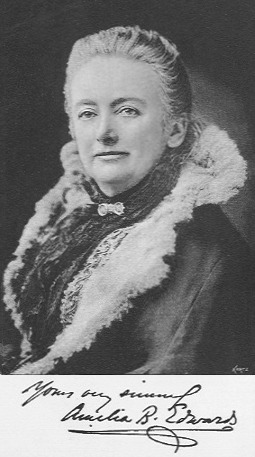
Introduction to Amelia B. Edwards
Amelia B. Edwards was a prolific English writer, artist, and Egyptologist, best known for her contributions to Victorian literature. Born in 1831, she gained recognition for her novels, travel writings, and most notably, her ghost stories. Edwards had a remarkable ability to blend the ordinary with the supernatural, creating tales that are both believable and haunting. Her works often explore themes of isolation, fear, and the unknown, all set against the backdrop of Victorian society.
‘The Phantom Coach and Other Stories’ stands as a testament to her skill in crafting chilling narratives that have intrigued readers for generations. Beyond her literary achievements, Edwards was also a co-founder of the Egypt Exploration Fund, showcasing her diverse talents and interests. Her legacy in the genre of ghost stories remains influential, making her a significant figure in the world of horror literature.
The Allure of Victorian Ghost Stories
Victorian ghost stories hold a unique charm that continues to captivate readers today. Rooted in an era marked by rapid industrialization and societal changes, these tales often reflect the anxieties and uncertainties of the time.
The Victorian fascination with death, the afterlife, and the supernatural is palpable in these narratives, offering a glimpse into the collective psyche of the period. The dimly lit, fog-shrouded streets, the imposing Gothic architecture, and the strict social hierarchies create an atmosphere ripe for eerie encounters and unexplained phenomena.
Authors like Amelia B. Edwards masterfully utilized these elements to craft stories that are both unsettling and thought-provoking. The allure lies not only in the spine-tingling plots but also in the deep psychological undercurrents that explore human fears and desires. Victorian ghost stories, with their rich, atmospheric settings and complex characters, continue to resonate, providing timeless thrills and chills.

Themes and Motifs
‘The Phantom Coach and Other Stories’ is rich with themes and motifs that define the Gothic genre. One prevalent theme is the clash between the known and the unknown, where characters often confront supernatural forces that challenge their understanding of reality. Isolation is another recurring motif; protagonists frequently find themselves in remote, desolate settings, heightening their vulnerability to ghostly encounters.
The decay of old manors and estates serves as a metaphor for the inevitable decline of the past, adding a layer of melancholy to the tales. Edwards also delves into themes of fate and destiny, where characters face eerie twists that alter their lives forever. The use of spectral figures and haunted landscapes further amplifies the sense of dread and suspense. These elements combine to create narratives that are not only frightening but also deeply introspective, inviting readers to ponder the mysteries that lie beyond the veil of the ordinary world.
Notable Stories in the Collection
‘The Phantom Coach and Other Stories’ features several standout tales that have left a lasting impact on the genre.
“The Phantom Coach” is perhaps the most famous, weaving a chilling narrative around a man who encounters a ghostly carriage on a desolate moor. The story’s suspenseful buildup and eerie conclusion are masterful.
Another notable entry is “The Story of Salome,” where a chance encounter in a Jerusalem bazaar leads to a haunting obsession. “The Four-Fifteen Express” tells the unsettling tale of a train journey that blurs the line between reality and the supernatural.
Each story in the collection showcases Edwards’ talent for creating atmospheric tension and psychological depth. These narratives not only frighten but also provoke thought, making them enduring classics in the realm of ghost stories. The blend of historical settings and timeless themes ensures that these stories continue to resonate with modern readers.

Creepy Characters and Settings
Amelia B. Edwards excels in crafting characters and settings that contribute to the eerie atmosphere of her stories. The protagonists often find themselves in unsettling environments that heighten the sense of dread. Old, decaying manors with creaking floorboards and shadowy corners serve as perfect backdrops for ghostly encounters.
The isolated moors and fog-drenched streets create a sense of vulnerability and foreboding. Edwards’ characters are equally compelling, often ordinary individuals thrust into extraordinary, terrifying situations. These characters’ psychological depth makes their experiences all the more believable and chilling. The spectral figures they encounter, whether they are ghostly apparitions or mysterious strangers, add layers of mystery and terror.
The interplay between the characters and their haunting settings forms the crux of the stories, making each tale a memorable journey into the supernatural. This meticulous attention to detail in both character and setting is what sets Edwards’ work apart in the genre of Victorian ghost stories.
The Impact on Modern Horror
Amelia B. Edwards’ ‘The Phantom Coach and Other Stories’ has had a profound impact on modern horror literature.
Her masterful blend of psychological tension and supernatural elements has influenced countless writers in the genre. The themes she explored—such as isolation, fate, and the unknown—remain staples in contemporary horror narratives. Modern authors often draw inspiration from her ability to create suspense through atmospheric settings and complex characters.
The eerie, evocative landscapes she depicted have set a standard for how settings can enhance the horror experience. Additionally, Edwards’ focus on the psychological aspects of fear paved the way for more nuanced and introspective horror stories. Her work demonstrates that true terror often lies not in the overtly grotesque, but in the subtle, creeping dread that lingers in the mind.
This legacy ensures that ‘The Phantom Coach and Other Stories’ continues to be a touchstone for both writers and readers of modern horror.


 Katie Marie Robinson-Sherlock
Leave a reply to Katie Marie Cancel reply