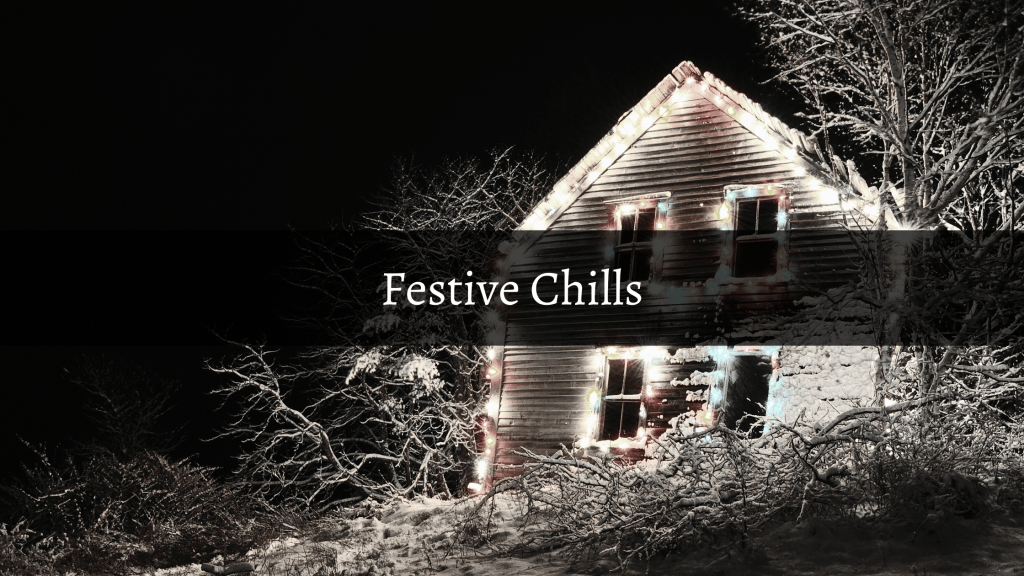
As the winds howl and snow blankets the earth, the chilling tales of winter horror stories come to life, weaving narratives that promise to freeze your blood. From ghost stories in winter to terrifying winter tales that linger in the mind long after the last page is turned, these blood-freezing stories are set against the stark, unforgiving backdrop of the coldest season.
But what is it about these narratives that captivate horror enthusiasts and leave them yearning for more? In this collection, we delve into the depths of winter’s dark embrace, exploring the most spine-tingling and suspenseful tales that have captivated audiences, and uncovering the secrets that make them unforgettable.
Prepare to be intrigued and engaged as we unravel the mysteries of these chilling tales, each one a testament to the power of storytelling in evoking anticipation and excitement.
Bone-Chilling Winter Horror Stories: Frostbitten Terrifying Winter Tales
In the heart of winter’s icy grip, frostbitten terrifying winter tales emerge to haunt our imaginations. These stories often unfold in desolate landscapes where isolation amplifies the chilling suspense.
A classic example is Algernon Blackwood’s “The Wendigo,” a tale set in the unforgiving wilderness of Northern Canada. Here, the relentless cold becomes a character of its own, intensifying the dread as supernatural forces prey upon the vulnerable. The stark contrast of the serene, snow-covered environment with the lurking terror beneath creates a spine-tingling experience.
Similarly, Adam Nevill’s “The Ritual” transports readers to the Scandinavian forests, where ancient horrors lie in wait. These narratives leverage the winter setting not just as a backdrop, but as an integral element that fuels the fear. The relentless cold, the howling winds, and the endless nights combine to craft blood-freezing stories that linger long after the tale is told.
Blood-Freezing Stories to Tell
Gathering around a crackling fire on a dark winter’s night provides the perfect setting for sharing blood-freezing stories that chill the spine. These narratives often draw from the ethereal and the unknown, weaving ghost stories in winter that play on our deepest fears. One such tale is the haunting of Dyatlov Pass, where a group of hikers perished under mysterious and eerie circumstances in the snowy Ural Mountains.
The uncertainty and inexplicability of their fate have inspired chilling tales that echo through time. Another classic is the ghostly tale of “The Snowstorm” by Alexander Pushkin, which blends love, loss, and supernatural elements against a backdrop of a relentless blizzard. These stories are more than just terrifying winter tales; they are explorations of human vulnerability, the unknown, and the thin veil between reality and the supernatural. As the night deepens and the wind howls, these stories continue to captivate and terrify.
Eerie Ghost Stories in Winter
Winter’s stark, quiet landscapes provide an ideal stage for eerie ghost stories that unsettle and intrigue. The silence of snow-covered nights amplifies every creak and murmur, setting the scene for encounters with the spectral. M.R. James, a master of the genre, frequently used the winter season to heighten the tension in his ghostly tales. His story “Oh, Whistle, and I’ll Come to You, My Lad” captures the essence of winter’s supernatural chill, with its haunting specter lurking in the cold, desolate coastal landscape.
Another evocative tale is Susan Hill’s “The Woman in Black,” where the winter fogs of England’s marshes conceal more than just the land—they hide a vengeful ghost who torments those who dare to uncover her story. These ghost stories in winter masterfully use the season’s oppressive quiet and isolation to evoke a sense of dread, leaving readers with lingering questions about the boundaries between the living and the dead.
Haunting Narratives to Keep You Awake: Spine-Tingling Chilling Tales
Spine-tingling chilling tales have the power to unsettle us long after the story ends, their eerie atmospheres lingering in our minds. These narratives often explore the unseen forces lurking in the shadows, tapping into primal fears of the unknown. H.P. Lovecraft’s “At the Mountains of Madness” is a quintessential example, set in the frigid desolation of Antarctica, where an expedition uncovers ancient horrors buried beneath the ice. The tale’s creeping dread stems from Lovecraft’s masterful ability to suggest more than he reveals, letting the reader’s imagination conjure the terror.
Shirley Jackson’s “The Haunting of Hill House” is another story that delves into supernatural fear, using the mansion’s eerie presence to reflect the characters’ internal struggles and amplify the sense of unease. These chilling tales are not just about ghosts or monsters; they are about the fear of the unknown elements that defy understanding, keeping readers awake with anticipation and dread.
Nightmarish Encounters in the Snow
The unforgiving landscape of snow-covered terrains serves as the backdrop for nightmarish encounters that both captivate and terrify. In these stories, the relentless cold and isolation become formidable adversaries, adding to the psychological torment faced by characters. Stephen King’s “The Shining” is a prime example, set in the snowbound Overlook Hotel where malevolent forces drive a family to the brink of madness. The snow traps them, turning the hotel into a claustrophobic prison where supernatural horrors manifest.
Similarly, Dan Simmons’s “The Terror” transports readers to the Arctic, where an expedition crew battles not only the harsh elements but an ancient creature stalking them from the icy shadows. These narratives masterfully blend environmental challenges with psychological horror, creating a sense of impending doom. As the snow falls silently around them, characters in these tales face both external and internal demons, leading to chilling realizations that linger long after the snow has melted.
Dark Legends of Winter
Winter’s long nights and chilling silence have given rise to dark legends that haunt the imagination. These tales, often rooted in folklore, explore the sinister aspects of the season, where the boundary between reality and the supernatural blurs. One such legend is that of Krampus, the horned figure who punishes misbehaving children during the Christmas season.
This sinister counterpart to Saint Nicholas embodies the fear of winter’s harshness and the moral lessons it brings. In Scandinavian countries, the myth of the Yule Cat warns those who don’t receive new clothes for Christmas will be devoured by this monstrous feline. These legends serve as cautionary tales, teaching lessons through fear. They remind us that winter, with its darkness and biting cold, has always been a time when the imagination runs wild.
As these stories are shared, they keep the ancient fears alive, ensuring that the legends endure through generations, chilling listeners anew each winter.

Unforgettable Cold Season Frights: Sinister Spirits of the Frost
The frost-laden months are often depicted as a time when sinister spirits roam freely, their presence as chilling as the icy wind. These spirits, often rooted in folklore and myth, symbolize the mysterious and malevolent forces that winter conjures.
In Russia, tales of the frost demon Morozko speak of a spirit who can either bless with warmth or curse with eternal cold, depending on one’s behavior. This dual nature reflects the precarious balance between life and death in winter’s grasp. In the British Isles, the legend of the Blue Men of the Minch describes eerie spirits who haunt the waters between the Outer Hebrides and the mainland, ready to capsize ships caught in their icy domain. These spectral figures embody the fear of nature’s unforgiving power during the cold season.
Such stories serve to remind us of the thin line between the living world and the supernatural, especially when the frost holds the world in its icy embrace.
Icy Settings for Ultimate Terror
Icy settings amplify terror by stripping away the warmth and security we associate with safety, leaving characters and readers exposed to the elements—and to fear. These landscapes, with their stark, unyielding beauty, are perfect backdrops for stories that delve into human vulnerability and isolation. In films like John Carpenter’s “The Thing,” the Antarctic setting enhances the paranoia and dread, with the endless snow acting as both a trap and a blank canvas for horror.
Similarly, the novel “Dark Matter” by Michelle Paver uses the Arctic’s isolation to heighten suspense, as a ghostly presence torments those who venture too far into the frozen expanse. These settings force characters to confront not only external threats but also the creeping terror of solitude and madness. The relentless cold and the merciless environment become characters in themselves, embodying the ultimate adversary that tests human endurance and sanity, ensuring the fright is as chilling as the cold itself.
Winter Ghost Stories Unveiled
Winter ghost stories hold a unique place in the realm of horror, often unveiled during the long, dark nights when the world is draped in snow and silence. These tales, with their spectral presences, capitalize on the season’s natural eeriness.
Charles Dickens’s “The Signal-Man” is a classic, where the chill of the railway tunnel during winter adds a layer of dread to the ghostly apparition that haunts the protagonist. Similarly, the tradition of telling ghost stories at Christmas, as popularized by Dickens and others, underscores winter as a time for the supernatural.
This tradition finds its roots in ancient customs, where the solstice marked a period when the veil between worlds was thin. Such stories explore themes of regret, unfinished business, and the past’s inescapable grip, using the cold and quiet of winter to heighten tension and evoke a sense of haunting inevitability. As these tales are shared, they continue to captivate and chill audiences anew.


 Katie Marie Robinson-Sherlock
Leave a reply to Katie Marie Cancel reply