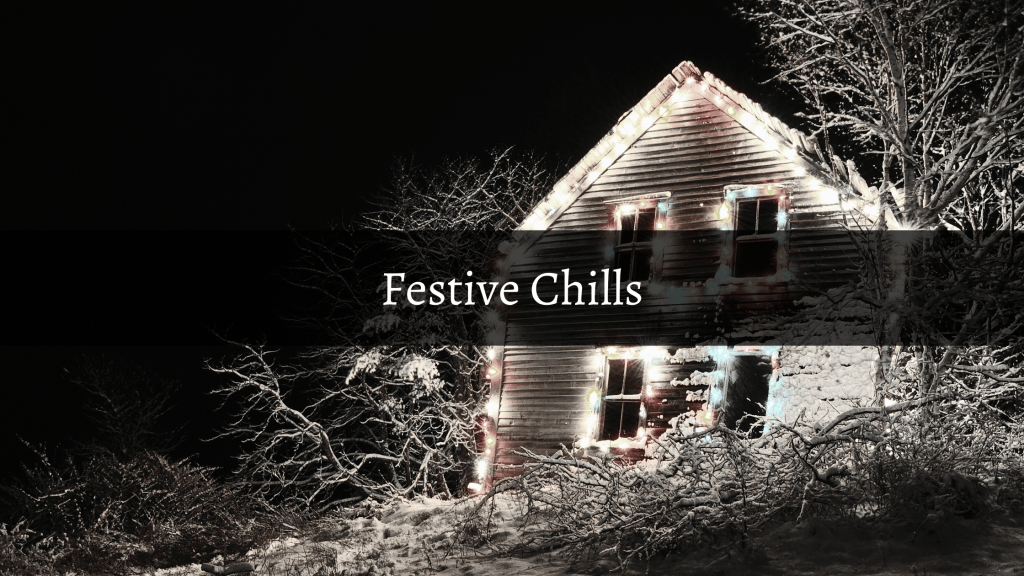
As the chilling embrace of winter descends upon the land, transforming serene landscapes into eerie winter settings, the perfect stage is set for atmospheric horror to unfold.
These snow-clad vistas, with their silent expanses and shadowy corners, amplify the supernatural experiences that haunt our imaginations. What is it about these frosty, desolate scenes that elevate the unsettling elements of psychological horror, drawing us deeper into their chilling grip? In this exploration, we delve into how setting in horror is crucial in crafting narratives that linger in our minds, using winter’s austere beauty to evoke a sense of anticipation and curiosity.
Join me as we uncover the spine-tingling allure of horror storytelling set against the backdrop of winter’s ghostly hush.
The Haunting Beauty of Winter: Snow-Covered Desolation
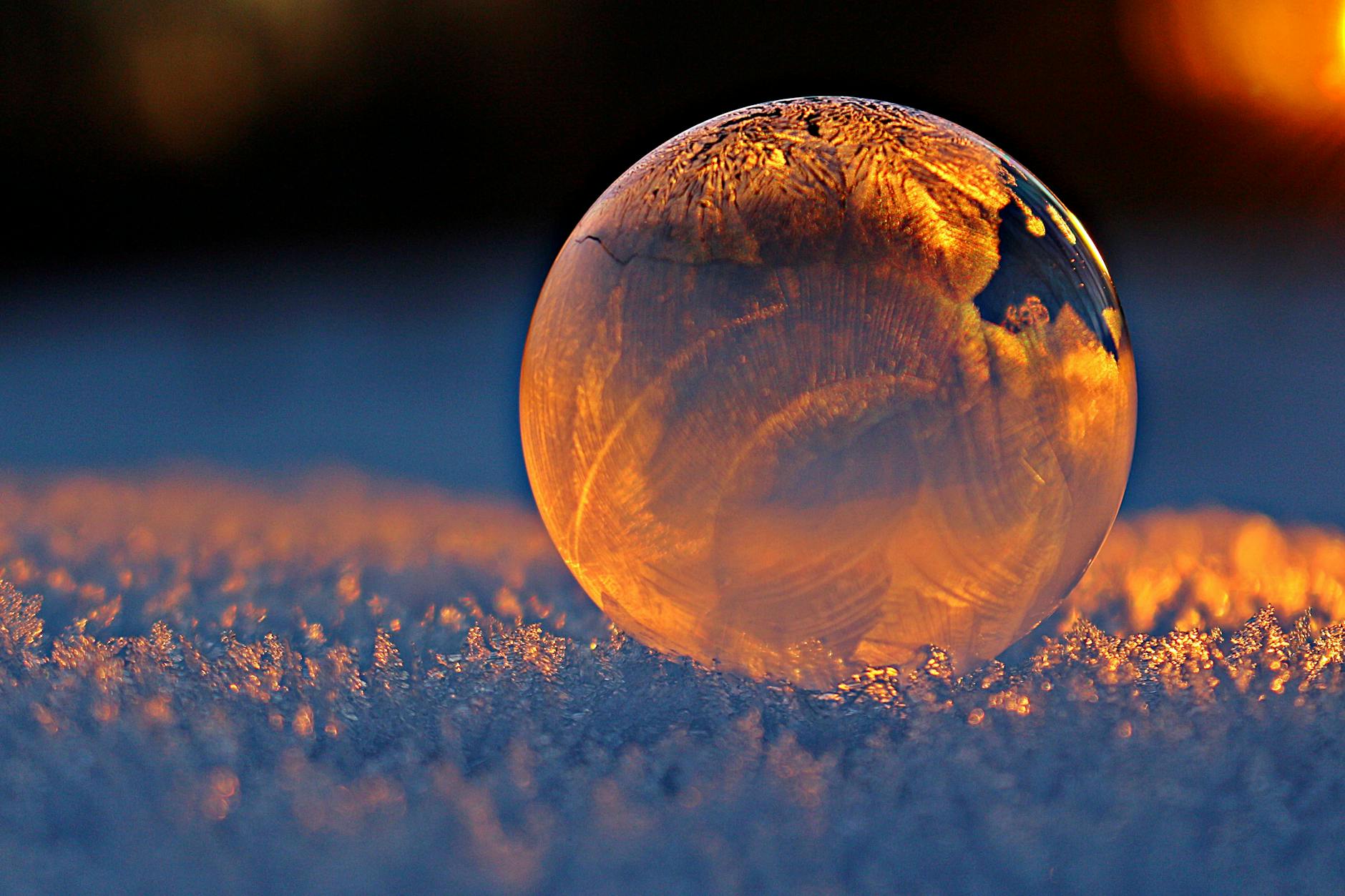
The stark beauty of snow-covered landscapes provides a chilling canvas for atmospheric horror. As snow blankets the earth, it transforms the familiar into something alien and unrecognizable. The world becomes quiet, almost too quiet, evoking a sense of isolation. This desolation is a fertile ground for psychological horror, where the mind has room to wander and imagine unseen terrors lurking just out of sight.
The snow itself becomes a character, its pristine surface hiding what lies beneath, suggesting danger veiled by innocence. The emptiness of these landscapes amplifies the tension, leaving characters and audiences alike to confront the vastness and solitude that winter imposes. As the wind howls through barren trees and footprints disappear under fresh snow, the eerie winter landscapes become not just a backdrop, but an integral part of the horror narrative, intensifying the supernatural experiences that unfold in this chilling environment.
Silence and Isolation
Winter’s silence is profound, enveloping everything in a hushed stillness that can be both serene and unsettling. This quiet magnifies the sense of isolation inherent in eerie winter landscapes, contributing significantly to atmospheric horror. When sound is absorbed by the snow, even the slightest noise becomes amplified, creating an environment where the unexpected can occur at any moment. This profound silence fosters introspection, forcing characters to confront their deepest fears and insecurities.
The isolation of winter settings, where roads can be impassable and help seems worlds away, intensifies feelings of vulnerability. In horror storytelling, this isolation can lead to a breakdown of social norms and a descent into madness. The quiet, coupled with the expanse of white nothingness, ensures that characters and audiences are left with only their thoughts and the creeping sense of dread that something might be lurking just beyond the edge of visibility, waiting in the winter’s ghostly hush.

Shadows in the Snow
Winter landscapes, with their stark contrast between the brilliant white of snow and the deep, dark shadows, create a visual dynamic that is ripe for horror storytelling. Shadows in the snow can distort perception, turning mundane objects into sinister shapes. This interplay of light and dark heightens the sense of unease and mystery, as what initially appears harmless can quickly transform into a source of fear.
The long, creeping shadows cast by a low winter sun or a dim moonlight evoke the classic horror trope of the unknown lurking just out of sight. In psychological horror, these shadows symbolize the hidden fears and suppressed thoughts of characters, providing a visual representation of their inner turmoil. As the shadows stretch and shift, they seem to take on a life of their own, leading the audience to question what is real and what is imagined, thus amplifying the chilling atmosphere of eerie winter landscapes.
Enhancing Horror Narratives: Psychological Horror in Winter
Winter settings amplify psychological horror by creating an environment where the mind’s vulnerabilities are exposed. The inherent isolation of winter landscapes forces characters into introspection, often leading them to confront their deepest fears and hidden traumas.
This introspective journey is a hallmark of psychological horror, where the real terror stems from within. The stark, unyielding nature of winter, with its relentless cold and limited daylight, mirrors the bleakness and despair that can consume a character’s psyche. This season’s oppressive atmosphere can also blur the line between reality and hallucination, leaving characters—and audiences—questioning what is real. The psychological tension is heightened by the seemingly endless expanse of white, which can feel both claustrophobic and boundless, trapping the characters in a mental and physical maze.
Thus, winter settings not only enhance the narrative of psychological horror but also deepen the emotional impact, drawing viewers further into the chilling depths of the story.

Supernatural Experiences in Cold Climates
Cold climates serve as an evocative backdrop for supernatural experiences in horror storytelling. The harshness of winter landscapes, where nature itself seems to conspire against the characters, enhances the otherworldly presence. In these settings, the supernatural feels more plausible, as the mind is ripe for suggestion amidst the isolation and eerie silence.
The cold can distort reality, with frost and mist creating illusions that fuel the imagination. Supernatural entities, whether ghosts or mythical creatures, seem to thrive in these inhospitable environments, where their presence is both a reflection and an extension of the natural cold. The relentless chill can be seen as a manifestation of the supernatural, making characters question their senses.
This interplay between the harsh environment and the supernatural blurs the lines between the real and the ethereal, drawing audiences deeper into the chilling narrative. In cold climates, the supernatural is not just an element of horror but an intrinsic part of the wintry world itself.
The Role of Setting in Horror
The setting in horror stories is far more than a mere backdrop; it is an essential component that shapes the narrative and mood. A well-crafted setting can evoke emotions, build tension, and enhance the overall sense of dread. In horror, the environment often mirrors the characters’ internal struggles, amplifying their fears and anxieties. The bleakness of a desolate winter landscape, for instance, can reflect the isolation and hopelessness felt by characters, while a dense, shadowy forest may symbolize the unknown and the primal fears it stirs.
These settings create an immersive experience, allowing the audience to feel the horror on a visceral level. The setting can also influence the pacing and structure of the story, guiding the narrative through its peaks and troughs. By using the setting as an active participant in the tale, horror writers can elevate their storytelling, ensuring that the environment itself becomes a haunting presence that lingers long after the story ends.


 Katie Marie Robinson-Sherlock
Leave a reply to Katie Marie Cancel reply