
Classic horror literature has an uncanny ability to draw readers into its shadowy embrace, leaving them both enthralled and on edge. But what is it about these spine-tingling tales that has kept them relevant through the ages, and why do we love horror in its purest, literary form? From the dark, cobwebbed corners of Gothic mansions to the psychological horror that lurks within the human mind, the appeal of the horror genre lies in its power to evoke a primal sense of fear and curiosity.
Famous horror authors like Mary Shelley, Edgar Allan Poe, and Bram Stoker have penned literary classics that continue to haunt our imaginations, proving that timeless horror stories can transcend the barriers of time and culture. As we delve into this captivating world of terror, we uncover the elements that make these narratives unforgettable and explore the reasons behind their enduring allure.
Roots of Our Fascination
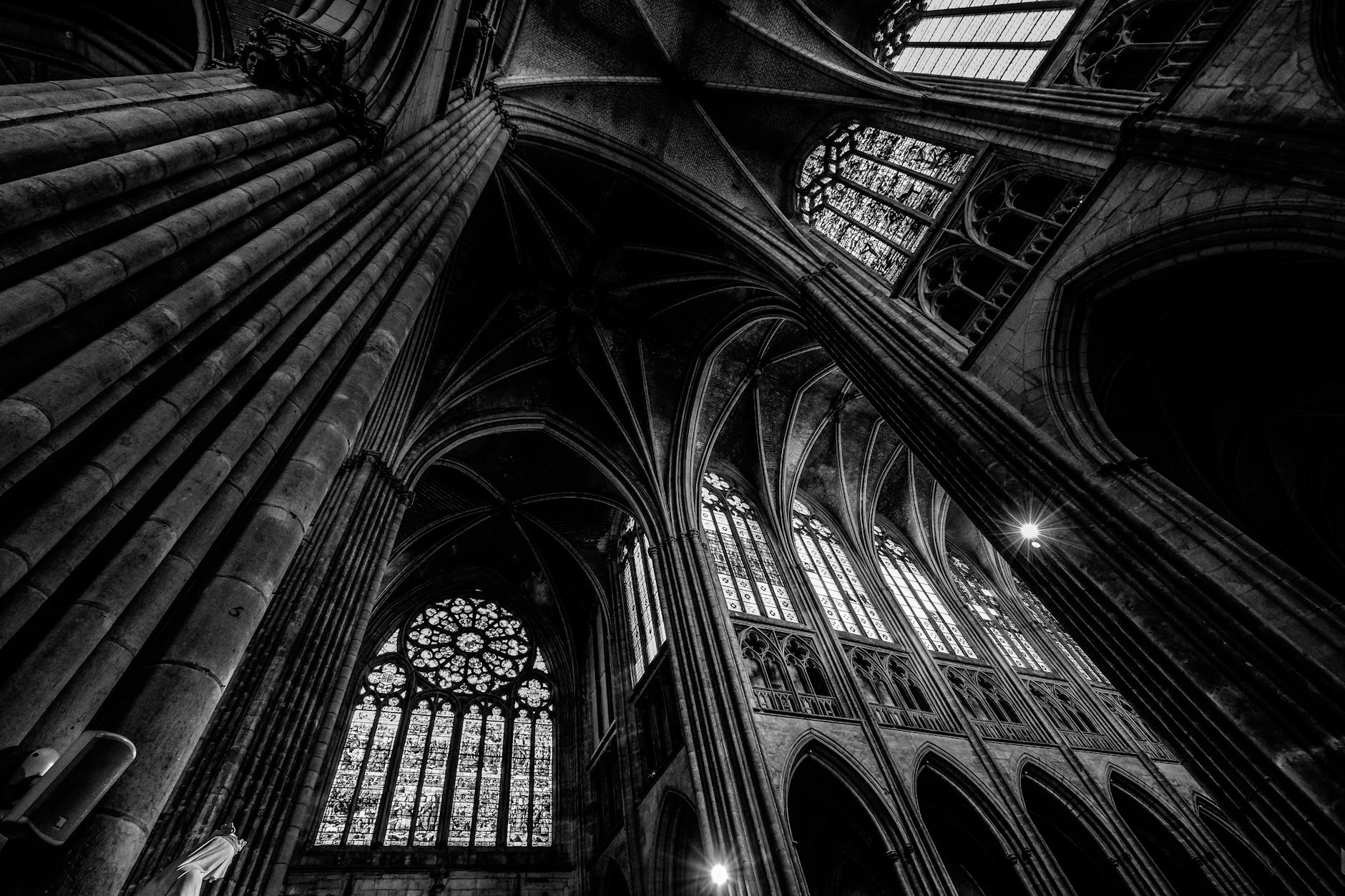
The roots of our fascination with classic horror literature trace back to our innate desire for thrill and suspense. This genre taps into our deepest fears, allowing us to explore them from a safe distance. Through tales of the supernatural and the unknown, horror stories provide a controlled environment where we can confront our anxieties. Authors like Mary Shelley and Edgar Allan Poe understood this psychological pull, crafting stories that delve into the human psyche and its darkest corners.
The atmospheric settings, mysterious characters, and eerie plots captivate us, feeding our curiosity about the macabre. The timelessness of these stories lies in their ability to reflect societal fears, adapting to different eras while maintaining their core elements. Thus, the allure of horror literature is not just in its ability to scare but in its power to engage us in a dialogue with our own fears and curiosities.
The Psychological Horror Element
Psychological horror is a critical element that elevates classic horror literature, adding depth and complexity to its narratives. Unlike overtly gruesome tales, psychological horror delves into the mind, challenging our perceptions of reality.
This genre creates suspense by blurring the lines between what is real and imagined, often leaving readers questioning their own sanity. Authors like Edgar Allan Poe masterfully explore themes of madness, guilt, and obsession, drawing readers into a vortex of internal turmoil. Stories such as “The Tell-Tale Heart” exemplify how psychological horror can evoke fear through the unraveling of a disturbed mind.
The tension arises not from external monsters but from the horror within ourselves. This introspective approach allows readers to confront their fears on a psychological level, making the experience more immersive and profound. By tapping into universal emotions and vulnerabilities, psychological horror ensures that these timeless narratives continue to resonate with audiences across generations.

Icons of Literary Classics
The icons of literary classics within the horror genre have left an indelible mark on literature, shaping the way we perceive fear and suspense. Figures such as Mary Shelley, Edgar Allan Poe, and Bram Stoker are pivotal in this domain, each contributing uniquely to the genre’s development. Mary Shelley’s “Frankenstein” introduces us to the horror of unchecked ambition and scientific overreach, a narrative that remains relevant today. Edgar Allan Poe’s works delve into the psychological, with his haunting tales exploring madness and despair. Bram Stoker, with “Dracula,” immortalized the vampire as a symbol of both allure and terror. These authors crafted stories that transcend their time, tapping into universal fears and emotions. Their mastery in weaving intricate plots and complex characters ensures their works continue to captivate readers. By addressing timeless human concerns, these literary icons enable horror literature to maintain its grip on our imaginations, proving their enduring appeal.
Crafting Timeless Horror Stories
Crafting timeless horror stories requires a delicate balance of universal themes and innovative storytelling. Famous horror authors have mastered this art by weaving narratives that transcend the constraints of their time. At the core of these stories are fundamental human fears—fear of the unknown, fear of death, and fear of madness. Authors like Mary Shelley and Bram Stoker tap into these primal fears, creating narratives that resonate with readers across generations. The atmosphere plays a crucial role; dark, foreboding settings heighten the sense of dread, while the supernatural elements keep readers on edge. Moreover, the psychological depth of characters adds layers of complexity, inviting readers to explore the darker sides of human nature.
By incorporating societal issues and existential questions, these stories maintain their relevance, constantly inviting new interpretations. This combination of timeless themes and masterful storytelling ensures that these horror narratives continue to captivate and terrify audiences, sustaining their place in literary history.
The Enduring Horror Genre Appeal
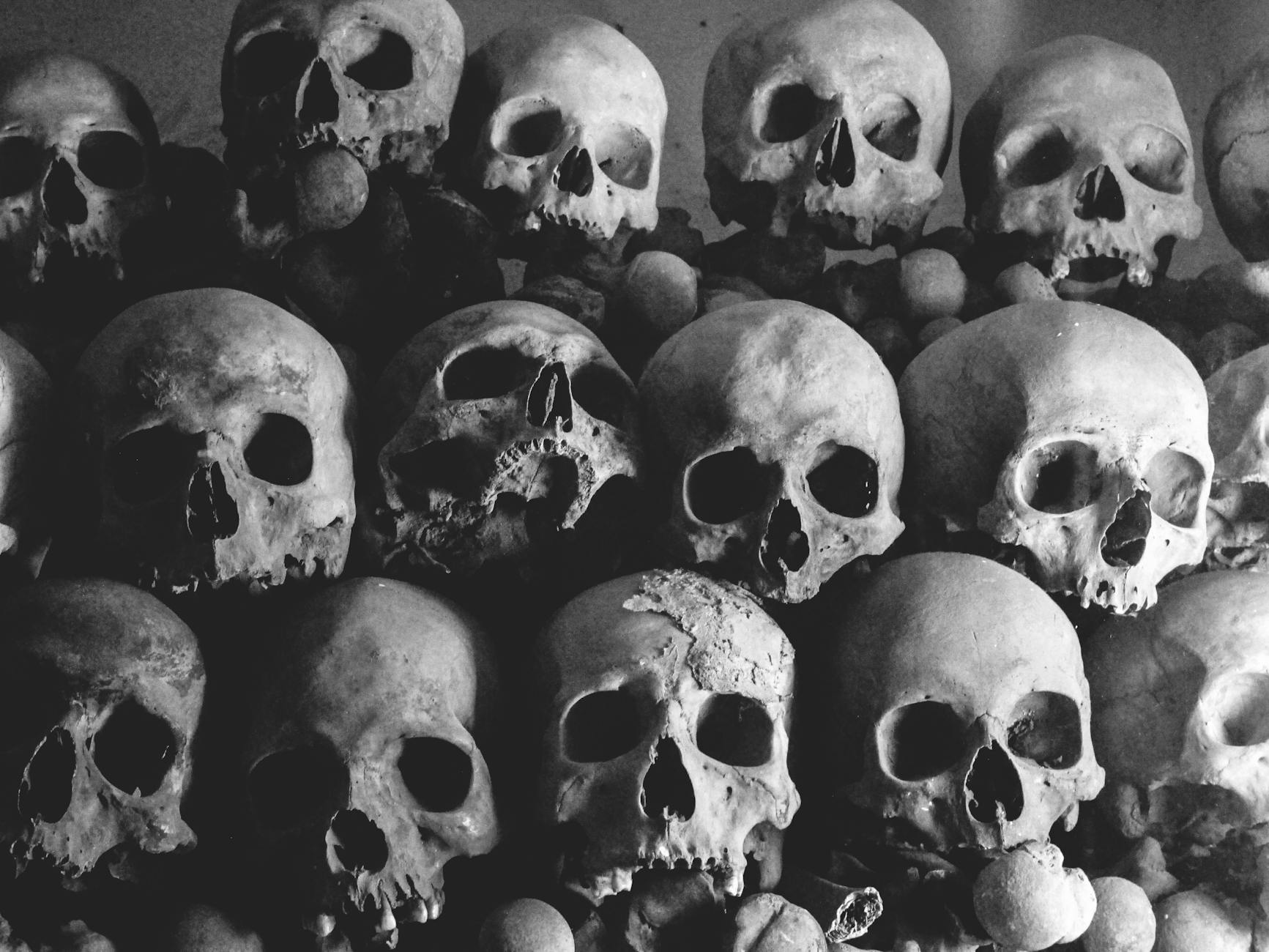
The enduring appeal of the horror genre lies in its ability to adapt while maintaining the core elements that intrigue and terrify. Today, horror continues to captivate audiences by reflecting contemporary societal fears and anxieties. Whether it’s the fear of technological advancements, environmental catastrophes, or social breakdowns, horror narratives provide a safe space to explore these themes.
The genre’s flexibility allows it to embrace new media, from films to video games, reaching audiences in diverse ways. Yet, the essence remains unchanged—the thrill of the unknown and the exploration of our deepest fears. Horror stories engage our imaginations, challenging us to confront what we often avoid in reality. This cathartic experience is why we love horror, as it offers a unique blend of fear and excitement, forcing us to question our perceptions of reality. As society evolves, so does horror, ensuring its continued relevance and appeal in the cultural landscape.
Modern Takes on Classic Themes
Modern takes on classic horror themes demonstrate the genre’s enduring adaptability and creativity. Today’s creators are not confined to traditional storytelling methods; instead, they reinterpret timeless motifs to resonate with contemporary audiences. Themes such as isolation, the supernatural, and the battle between good and evil are reimagined through fresh lenses, often incorporating modern technology and societal issues. For instance, today’s horror stories might explore the implications of artificial intelligence or the dark side of social media, offering a new twist on age-old fears.
Filmmakers and authors alike draw inspiration from classic horror literature, paying homage while innovating. This blending of old and new ensures that the essence of horror remains intact while appealing to a new generation of fans. By marrying traditional horror elements with current cultural contexts, these modern adaptations continue to engage audiences, proving that the core of what makes horror captivating is timeless, yet ever-evolving.


 Katie Marie Robinson-Sherlock
Leave a reply to Andrew McDowell Cancel reply