
In the shadowy realm of horror fiction, the power to terrify lies not just in the grotesque creatures lurking in the dark, but in the intricate dance of atmosphere and setting.
Crafting an effective horror setting requires a delicate balance of tone and detail, where the mundane transforms into the menacing, and the familiar becomes fearsome. How does one weave a narrative that ensnares the reader in a web of suspense and dread?
By mastering the art of creating atmosphere, writers can evoke visceral emotions, drawing their audience into a world where every creak and whisper holds sinister potential. Join me as we delve into the techniques of writing horror fiction, exploring how the interplay of character and setting can elevate a story to spine-chilling heights.
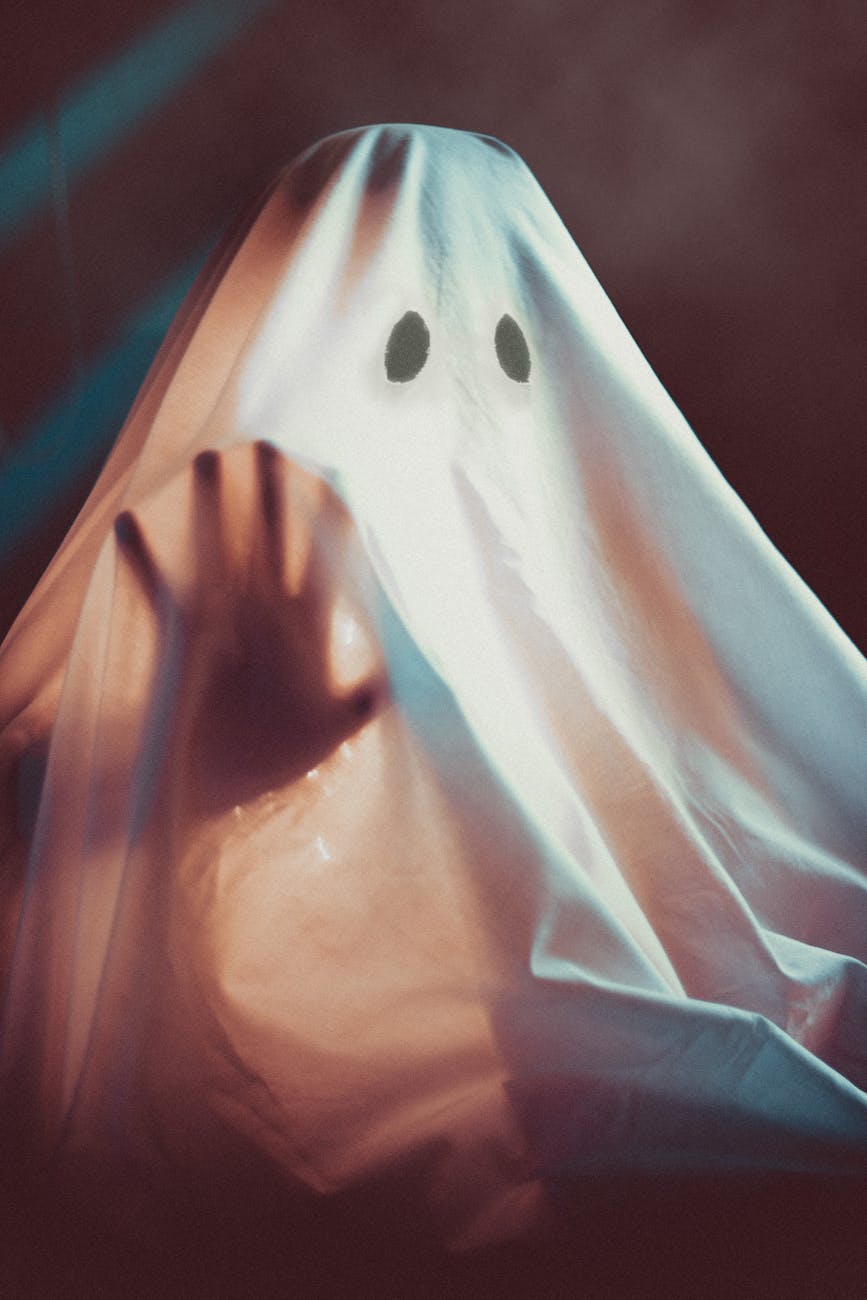
Creating Atmosphere for Horror
Creating atmosphere in horror is about using vivid descriptions to evoke emotions and instill dread. The key is in the details: the creaking floorboards of an old house, the oppressive silence of a foggy night, or the unsettling flicker of a dim light.
- Visual descriptions: Paint a picture with words. Use imagery to make readers feel as if they are there, experiencing the setting firsthand.
- Soundscapes: Employ onomatopoeia and descriptive sounds to accentuate tension and unease.
- Sensory details: Engage all five senses to create a full-bodied experience, from the musty smell of an abandoned room to the chill of a sudden draft.
An effective atmosphere makes readers hold their breath, waiting for the next unnerving moment. It’s about laying a foundation of tension that permeates the narrative, keeping readers on edge.
Character and Setting Synergy
The synergy between character and setting is a powerful tool in horror. Characters should feel intrinsically linked to their environment, their fears and actions shaped by the world around them.
- Characters’ reactions to the setting can reveal more about their personalities and vulnerabilities.
- The setting often acts as an antagonist in horror, challenging the characters and pushing them to their limits.
- Use the setting to create conflicts that force characters to confront their deepest fears.
Consider a character trapped in an isolated cabin during a snowstorm. The setting’s hostility mirrors their internal struggle, amplifying the tension. This interaction between character and setting enhances the story’s emotional impact, making it more immersive and compelling.
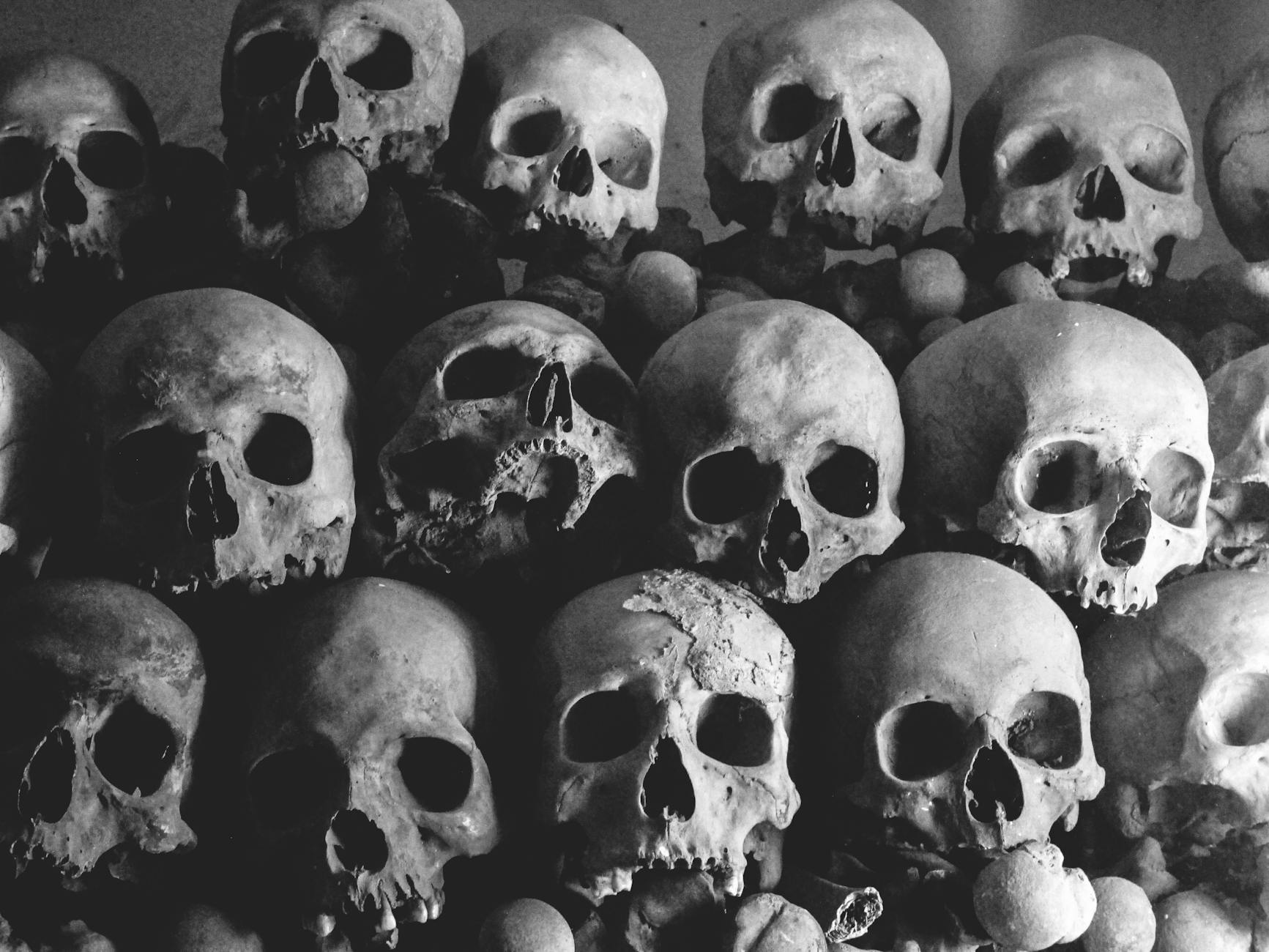
Building Suspenseful Narratives
Building suspense is about controlling the flow of information and pacing. A suspenseful tone keeps readers guessing and creates anticipation.
- Foreshadowing: Drop subtle hints about what’s to come without revealing too much.
- Pacing: Alternate between slow, tense moments and fast, action-packed scenes to keep the reader engaged.
- Uncertainty: Play with unreliable narrators or ambiguous situations to maintain a sense of mystery.
A well-crafted suspenseful narrative makes readers question everything, driving them to turn the pages in search of answers. This balance between revealing and concealing information is key to maintaining suspense.
Effective Horror Writing Techniques
Effective horror writing involves several techniques that can elevate a story from merely frightening to truly terrifying.
- Psychological horror: Focus on the internal fears and mental struggles of characters to create a sense of dread.
- Twist endings: Surprise readers with unexpected conclusions that change their understanding of the entire story.
- Symbolism: Use symbolic elements to add depth and meaning to the horror, making it resonate on a subconscious level.
These techniques help create a story that not only scares but also lingers long after the last page is turned. Implementing these elements thoughtfully can transform a horror narrative into a memorable experience.

Key Elements of Writing Horror Fiction
Writing horror fiction requires a blend of creativity and understanding of genre conventions. Here are some key elements:
- Tension: Maintain a constant undercurrent of unease.
- Character depth: Develop characters that readers can relate to or fear.
- Narrative arcs: Construct a plot that builds to a climax and resolves in a satisfying way.
By mastering these elements, writers can create stories that captivate and terrify, ensuring their place in the annals of horror literature.
Engaging Readers with Tone and Setting
Engaging readers with the right tone and setting involves creating a world that feels both familiar and unsettling.
- Consistency: Keep the tone consistent throughout the story to maintain the reader’s emotional engagement.
- Immersive settings: Create detailed environments that readers can lose themselves in, enhancing the story’s impact.
- Interactivity: Encourage readers to imagine themselves in the story, facing the horror alongside the characters.
When tone and setting come together seamlessly, readers find themselves drawn into a world of suspense and terror. This immersive experience is what makes horror fiction not just a genre, but a chilling journey into the unknown.


 Katie Marie Robinson-Sherlock
Leave a reply to Andrew McDowell Cancel reply