
In the world of horror, few elements are as iconic and effective as the isolated setting, a staple that continues to captivate and terrify audiences. From abandoned cabins in the woods to remote islands shrouded in mystery, these settings create an atmosphere of dread and tension that is both palpable and haunting. By placing characters in these remote environments, horror narratives amplify feelings of vulnerability and entrapment, leaving them—and us—at the mercy of unseen threats lurking just out of sight.
But what is it about these isolated settings that make them so powerful in evoking psychological horror and terror? As I delve into this chilling cliché, we will uncover the secrets that have made isolation a cornerstone of horror storytelling and explore how it continues to unleash fear in the darkest corners of our imagination.

Amplifying Tension and Dread
Isolated settings are integral to creating an atmosphere of dread in horror. These remote environments strip away the comforts and safety found in populated areas, leaving characters exposed to the elements and unseen threats. The absence of outside interference means that help is unlikely to arrive, which intensifies the characters’ vulnerability and sense of entrapment. The eerie silence, punctuated only by the rustle of leaves or the creak of an old floorboard, serves to heighten the tension, keeping both characters and audiences on edge.
This sense of isolation taps into primal fears of the unknown, making it a fertile ground for psychological horror. As the narrative unfolds, the setting itself becomes a silent antagonist, relentlessly intensifying the terror in isolation. In doing so, it draws the audience deeper into the story, amplifying every moment of suspense and fear.
Creating Vulnerability in Characters
Isolated settings inherently strip characters of their defenses, crafting an environment ripe for vulnerability. In the absence of societal norms and protective structures, characters find themselves confronting primal fears. The isolation removes the safety nets of community and technology, compelling them to rely solely on their instincts and resourcefulness.
This vulnerability is not just physical; it also delves into the psychological. Characters are often forced to face their deepest fears and insecurities, which are magnified in the silence and solitude. The remote environment acts as a crucible, testing their resilience and often leading to internal conflicts and revelations. This tension in horror is crucial as it allows the audience to empathize with the characters’ plight, intensifying the emotional investment in the narrative. By highlighting character vulnerability, isolated settings ensure that the horror feels personal and immediate, drawing the audience into the story’s chilling embrace.
Enhancing Psychological Horror
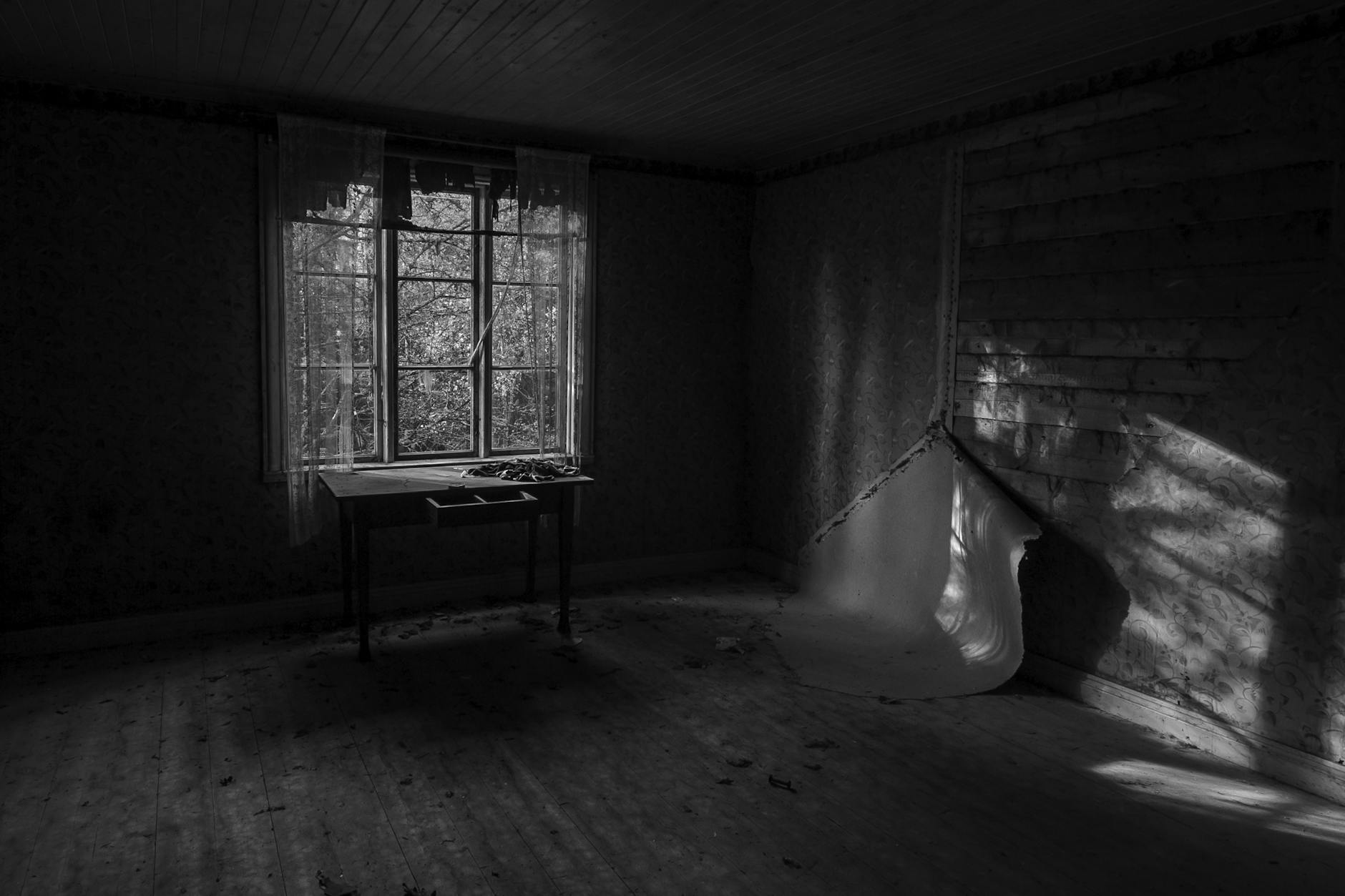
Isolated settings are a powerful catalyst for psychological horror, delving deep into the human psyche to unearth terror. When characters are cut off from the outside world, their minds become the primary battleground. The lack of external distractions forces them to confront internal demons, fears, and anxieties. The oppressive solitude magnifies these psychological elements, transforming mundane sounds into ominous threats and shadows into malevolent presences.
This setting fosters an atmosphere where the line between reality and imagination blurs, creating a fertile ground for unraveling sanity. The psychological tension is further heightened as characters grapple with paranoia and mistrust, both of themselves and their companions. By placing the horror within the mind, isolated settings intensify the feeling of helplessness and inevitability. This form of terror resonates deeply with audiences, as it mirrors real-life fears of losing control over one’s mind, making the horror experience both intimate and unsettling.
Abandoned Cabins and Desolate Islands
Abandoned cabins and desolate islands are quintessential settings that epitomize isolation in horror. An abandoned cabin, often nestled deep within an impenetrable forest, serves as a perfect backdrop for horror. Its dilapidated structure, creaking floors, and cobwebbed corners evoke an atmosphere of dread, suggesting a history of untold stories and hidden dangers. The cabin’s seclusion ensures that help is far from reach, amplifying the tension in horror as characters navigate its claustrophobic interior, haunted by the unknown.
Similarly, desolate islands, surrounded by vast, unyielding waters, trap characters in a world that is both beautiful and menacing. The isolation is palpable, as the island’s untamed nature and unpredictable weather create a constant threat. Here, the natural world becomes a relentless force, challenging the characters’ survival instincts. Both settings strip away societal norms, exposing raw human emotions and vulnerabilities, making them iconic in their ability to convey terror in isolation.
Deep Forests and Lonely Mountains
Deep forests and lonely mountains represent some of the most formidable remote environments in horror narratives. Forests, with their dense canopies and labyrinthine paths, create an atmosphere of perpetual twilight, where every rustle could be a lurking threat. The sheer immensity and uniformity of the woods can disorient and trap characters, playing on fears of getting lost and the unknown entities that may dwell within. This setting is ideal for amplifying tension, as characters experience an all-encompassing feeling of being watched, with no clear escape route.
Lonely mountains, on the other hand, loom ominously with their rugged terrain and harsh climates. The isolation is profound, with the vastness of the landscape underscoring the characters’ insignificance and vulnerability. The mountains’ unpredictability, from sudden storms to treacherous paths, adds a layer of natural horror. These settings effectively strip away modern comforts, forcing characters to confront their fears and instincts, making them enduring symbols of terror in isolation.
Haunted Asylums and Empty Villages
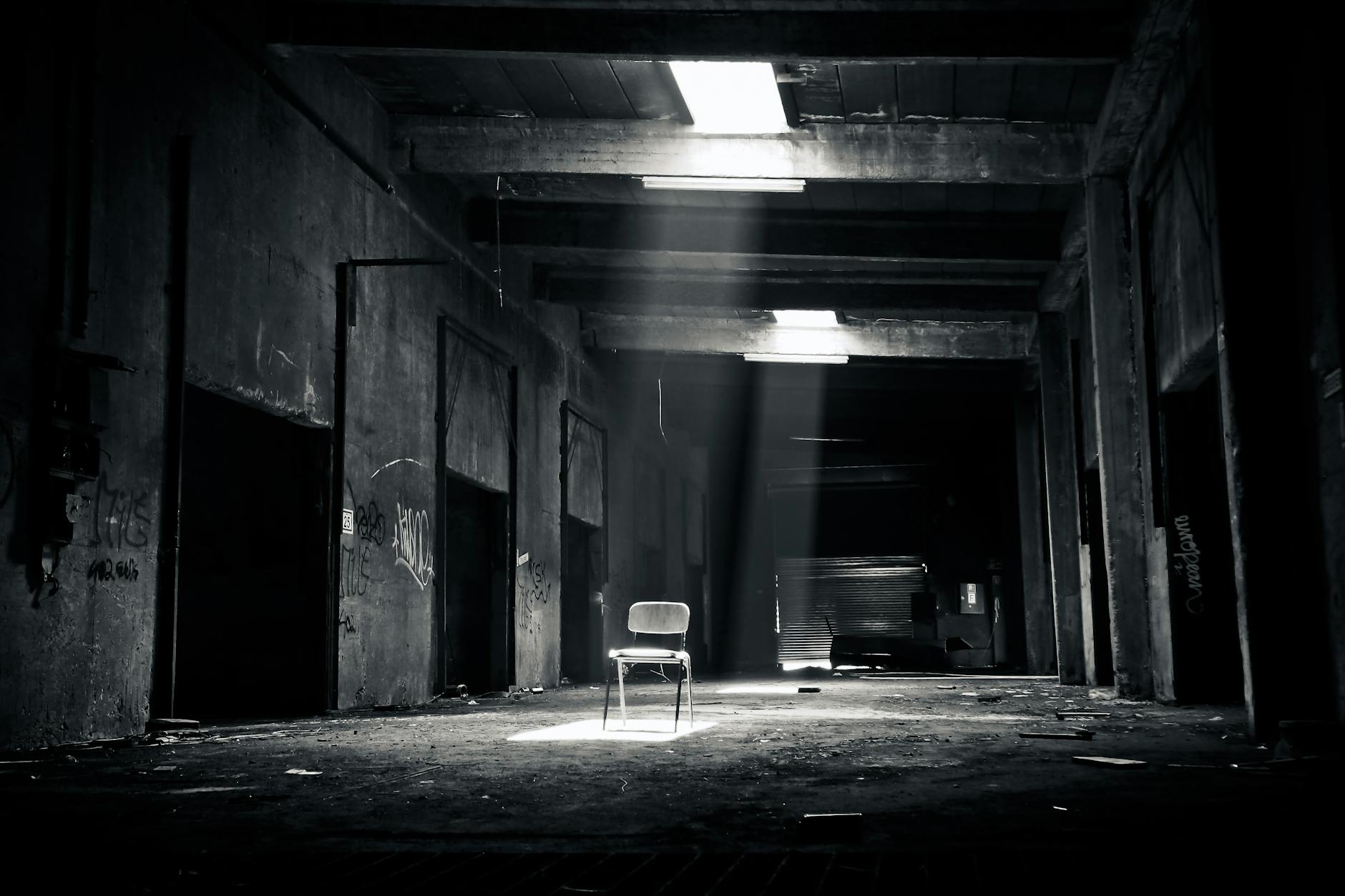
Haunted asylums and empty villages are hauntingly evocative settings that embody horror clichés of isolation and decay. Asylums, with their abandoned corridors and oppressive atmosphere, are rich with echoes of past traumas and madness. These structures evoke an immediate sense of dread, as their history of suffering and confinement amplifies the psychological horror. The eerie silence, punctuated by distant whispers or the clang of metal, heightens the tension, making every shadow a potential threat.
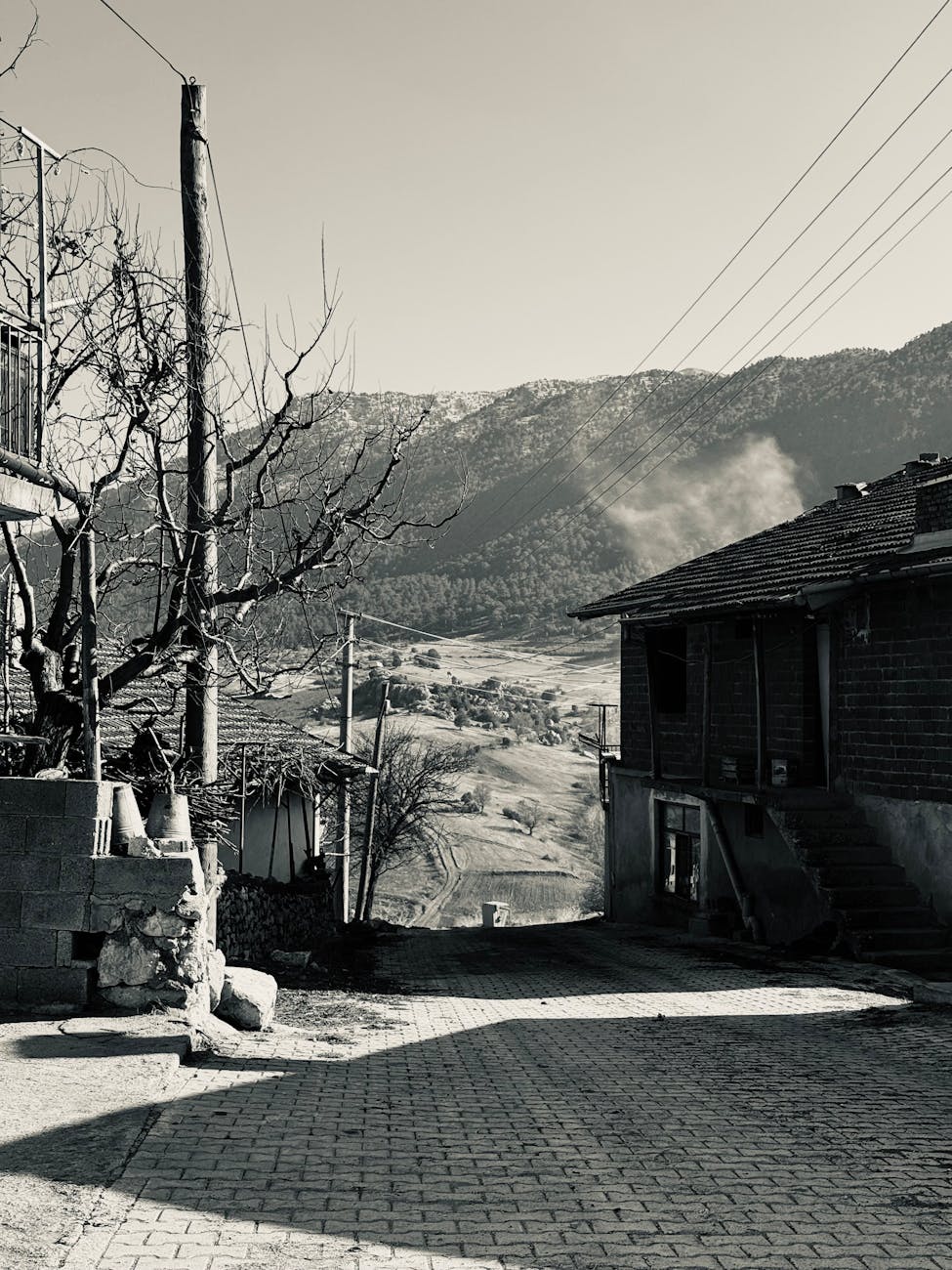
Empty villages, on the other hand, present a chilling tableau of desolation. Once vibrant communities, now ghost towns, these places create an unsettling sense of absence. The stillness is unnerving, as characters navigate deserted streets and vacant homes, with the lingering question of what caused the exodus. Both settings strip away the façade of normalcy, exposing raw fears and vulnerabilities. They serve as powerful reminders of human fragility, enhancing the terror with their silent, watchful presence.
Techniques for Building Suspense
Building suspense in isolated settings involves a careful balance of pacing, atmosphere, and character development. One effective technique is the gradual revelation of information, where small, unsettling details are introduced over time. This method allows the tension to simmer, keeping audiences on edge as they piece together the mystery.
Sound plays a critical role in enhancing suspense, with subtle auditory cues like distant footsteps or whispers intensifying the sense of dread. Visual elements, such as shadows and dim lighting, can also create an atmosphere of uncertainty, where the threat remains just out of sight.
Character reactions are crucial, as their mounting fear and paranoia mirror the audience’s own anxieties. The use of cliffhangers and red herrings can further amplify suspense, leading viewers down false paths before unveiling the true horror. By meticulously crafting these elements, storytellers can create an immersive experience that keeps audiences gripped by the terror in isolation.
Utilizing Atmosphere and Setting
The atmosphere and setting are pivotal in crafting terror in isolation, serving as the canvas upon which horror unfolds. The key is to create an immersive environment that engages all senses, pulling the audience into the story’s world. Visual descriptions should evoke the setting’s desolation and danger, whether it’s the looming shadows of a forest or the eerie silence of an abandoned village.
Atmosphere is further enriched through auditory elements, where the absence of sound can be as chilling as a sudden noise. The creak of a floorboard or a distant howl can amplify the sense of dread. The setting should feel alive, its oppressive presence a constant reminder of the characters’ vulnerability.
Temperature, weather, and light play crucial roles; a sudden storm or a flickering light can heighten tension and unpredictability. By skillfully blending these elements, storytellers can create a setting that is not just a backdrop, but an active participant in the horror narrative.
Balancing Cliché with Innovation
In horror, leveraging clichés like isolated settings can be effective, but innovation is key to maintaining audience engagement. The challenge lies in using familiar elements while adding fresh twists that surprise and intrigue. Start by subverting expectations; for instance, an abandoned cabin might initially seem lifeless but gradually reveals unexpected, supernatural layers.
Character depth can also breathe new life into clichés, offering unique perspectives or backstories that enrich the narrative. Introducing unconventional threats or blending genres—such as incorporating psychological or existential horror—can add complexity to traditional settings.
Interactive environments, where settings evolve in response to the characters’ actions, can also maintain intrigue. This dynamic approach keeps audiences guessing and invested in the unfolding story. By balancing familiar horror clichés with creative storytelling, writers can craft narratives that respect tradition while pushing boundaries, ensuring that isolation remains both chilling and captivating in modern horror.


 Katie Marie Robinson-Sherlock
Leave a reply to Katie Marie Cancel reply