
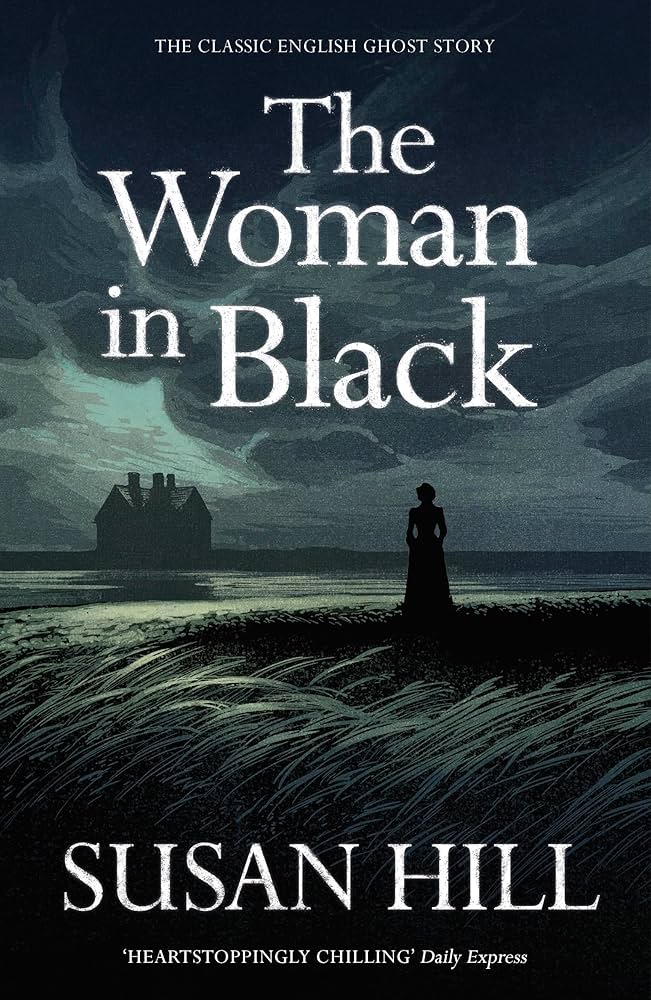
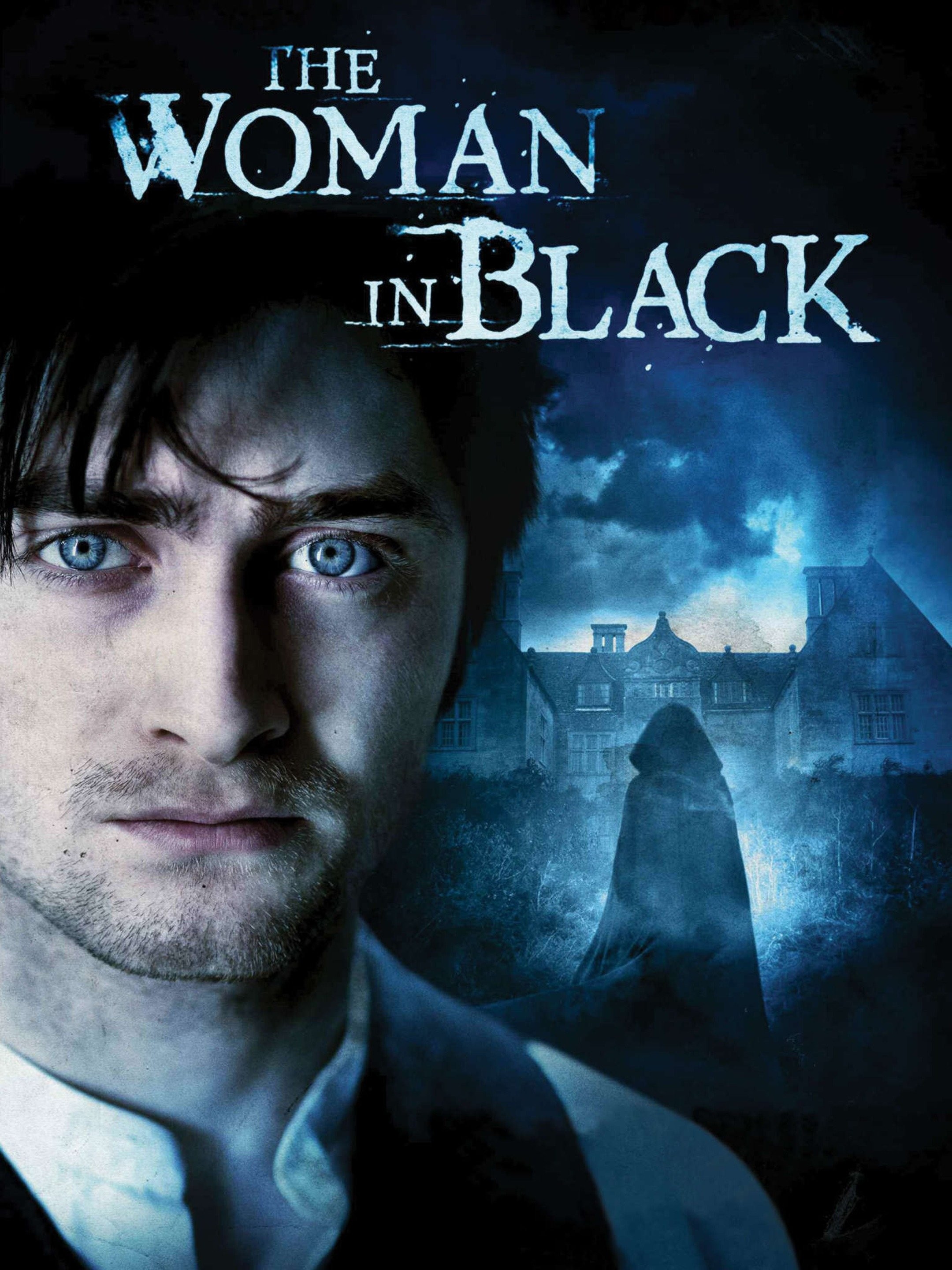
In the shadowy realm of horror, “The Woman in Black” by Susan Hill stands as a chilling tale that captivates both readers and viewers with its haunting story of grief and isolation. This post will unravel the differences between the book and its film adaptation, exploring how each medium uniquely interprets the eerie narrative. From the depths of character development to the subtle shifts in plot, we will analyze how cinematic impact modifies key elements while striving to maintain the novel’s unsettling essence. With a focus on thematic analysis, we will ponder how both versions evoke a deep sense of dread through the tragic fate of the titular specter.
Join me as we delve into the successes and shortcomings of each, offering insights into the enduring allure of literary adaptations in the horror genre.
Crafting Grief and Isolation
The book envelops readers in a pervasive sense of grief and isolation. Susan Hill’s prose meticulously constructs an environment where desolation permeates every corner. The protagonist, Arthur Kipps, is drawn into this world as he navigates the eerie Eel Marsh House. Hill’s rich descriptions ensure that readers feel the weight of Arthur’s solitude.
In contrast, the film utilizes visual storytelling to evoke similar emotions. Cinematography plays a crucial role in highlighting the stark, isolating landscape surrounding the house. Long shots of the foggy marshes and the imposing silhouette of the house emphasize the bleakness of Arthur’s surroundings.
Both mediums succeed in conveying isolation but through distinct methods. The book relies on detailed narrative to build the setting, while the film uses visual cues to create an immediate emotional impact.
Visual vs Narrative Chills
In the book, the suspense builds gradually, with Hill’s writing weaving an intricate tapestry of unease. The reader’s imagination fills in the gaps, making the haunting elements intensely personal.
Conversely, the film delivers its chills through more direct means. Jump scares and atmospheric sound design create a visceral experience. The sound of creaking floorboards and haunting whispers amplifies the tension, ensuring viewers are on edge throughout.
| Medium | Approach | Result |
|---|---|---|
| Book | Subtle prose | Personal, lingering fear |
| Film | Visual/sound | Immediate, visceral shock |
While the book excels in creating a slow-burning dread, the film aims for immediate thrills. Both achieve their goals, yet the experiences they offer are distinct.

Arthur Kipps: Page and Screen
In Susan Hill’s novel, Arthur Kipps is a deeply developed character whose inner thoughts and emotions are laid bare to the reader. This depth allows for a greater understanding of his motivations and fears. His gradual descent into fear is conveyed through his introspective reflections, which invite the reader into his psyche.
On screen, Arthur’s character is more restrained. The film relies on actor Daniel Radcliffe’s ability to convey emotion through subtle expressions and body language. The absence of internal monologue means viewers must infer his thoughts and feelings from his interactions and the visual cues around him.
- Book: Deep introspection, detailed inner thoughts.
- Film: Visual performance, external expressions.
Both portrayals have merit, offering different perspectives on Arthur’s torment. Readers may appreciate the intricate psychological exploration, while viewers might be drawn to the tangible expressions of fear.
The Woman in Black’s Presence
In the novel, the titular specter is a looming presence. Hill crafts her as a figure shrouded in mystery, her tragic backstory unfolding gradually through the narrative. This slow reveal heightens the suspense and adds layers to her character.
The film depicts her with visual intensity. The ghost’s appearances are strategically placed to maximize shock and fear. Her presence is felt not only through her rare appearances but also through the eerie atmosphere that accompanies her.
- Novel: Gradual reveal, layered backstory.
- Film: Strategic appearances, visual intensity.
Both mediums handle the character of the Woman in Black differently, yet effectively. The novel’s approach allows for slow-burning tension, while the film’s visual portrayal ensures a lasting impact on the audience.

Alterations for Cinematic Impact
The film adaptation makes several alterations to the plot to heighten the cinematic impact. Key scenes are either expanded or modified to suit the visual medium. For instance, the film introduces new sequences that are not present in the book, designed to enhance suspense or provide visual thrills.
These changes aim to deliver a more dramatic and engaging experience for viewers. By modifying certain elements, the film ensures that the story translates effectively to the screen, making use of visual and auditory elements to enhance the narrative’s intensity.
- Expanded scenes for visual appeal.
- Introduction of new sequences for added suspense.
These alterations, though different from the book, succeed in capturing the audience’s attention and conveying the story’s chilling essence.
Retaining the Haunting Essence
Despite the changes, both the book and the film retain the haunting essence of the story. The central themes of grief and isolation remain intact, with each medium finding unique ways to express these elements.
In the book, Hill’s descriptive writing immerses the reader in the emotional landscape of the characters. The film, on the other hand, uses visual storytelling techniques to evoke similar feelings. Both approaches ensure the core of the story is preserved.
- Book: Descriptive writing, emotional depth.
- Film: Visual storytelling, thematic focus.
Ultimately, both the book and the film succeed in maintaining the original story’s haunting atmosphere, each offering a distinct yet faithful interpretation of Susan Hill’s chilling tale. For further exploration of these themes, readers can delve into the book or explore the film adaptation.


 Katie Marie Robinson-Sherlock
Leave a reply to Andrew McDowell Cancel reply