Wheelchairs and other mobility aids often appear as haunted objects in folklore, stirring feelings beyond simple fear. These stories expose a deep cultural discomfort with disability, turning everyday tools into symbols of supernatural terror. By exploring these narratives, you’ll see how these tales reflect societal exclusion and the fear of losing autonomy. This glimpse into folklore and disability reveals why better disability representation matters more than ever.

Wheelchair Narratives Explored
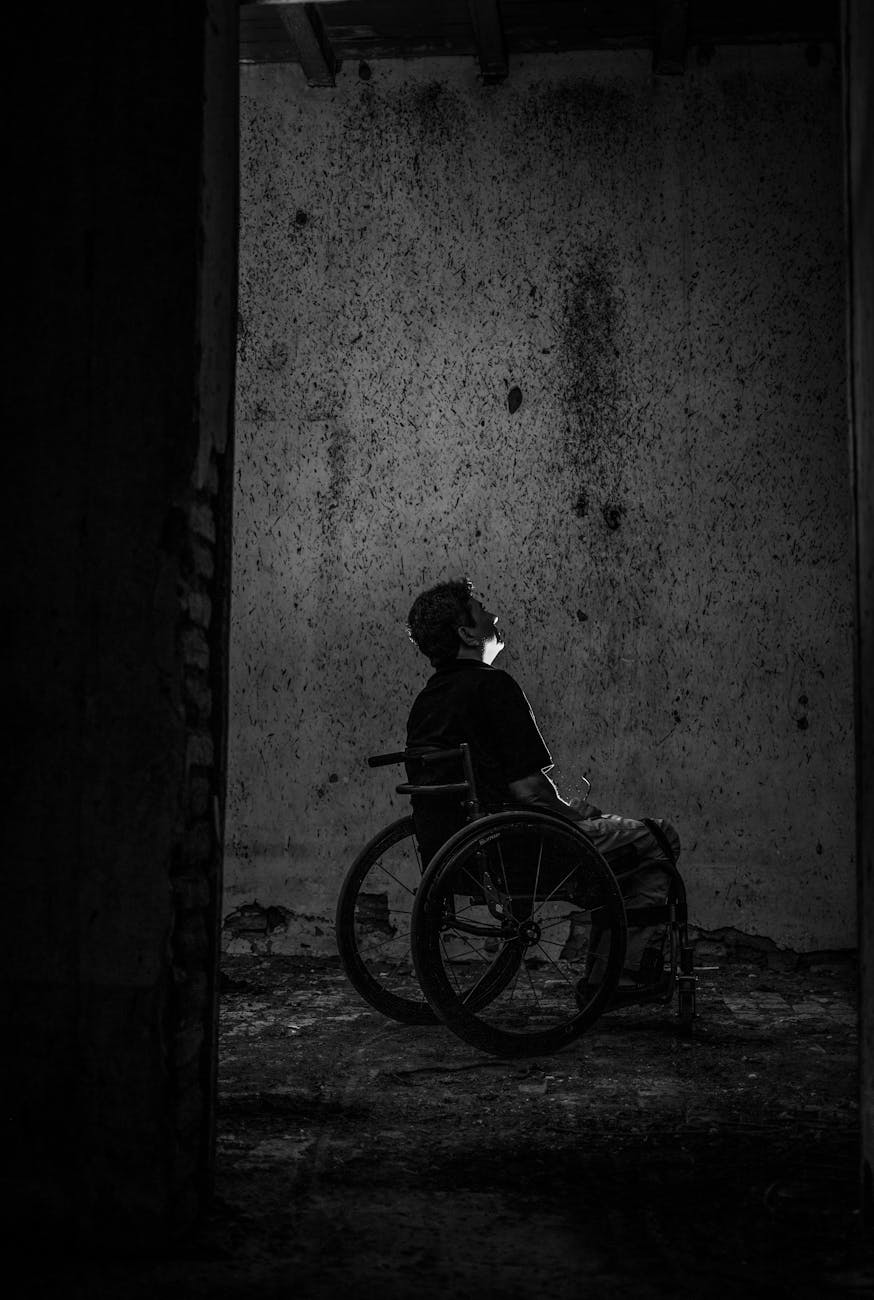
Wheelchairs in folklore often take on a haunting presence. You might wonder why these stories captivate us so deeply. Perhaps it’s because they touch on the very essence of human vulnerability. Picture a wheelchair, abandoned in a dimly lit room. In some tales, it’s not just an object; it moves on its own, creaking ominously, whispering secrets of its past occupants.
These narratives often revolve around the fear of being trapped, both physically and socially. A wheelchair, meant to provide freedom, becomes a paradoxical prison. This duality intrigues us, forcing us to confront our deepest fears about independence and dependence. By examining these stories, we can glean insights into how society views disability and the underlying discomfort with it.
Mobility Aids as Supernatural Terrors
Mobility aids turning into tools of terror might seem far-fetched, but they are potent metaphors. Imagine a cane tapping rhythmically in an empty hallway. The sound echoes, amplifying the tension. In folklore, such aids often become avatars of the unknown, representing the fears society harbors about disability.
These tales suggest that what is meant to assist can also haunt. The transformation of mobility aids into objects of fear highlights the societal unease with disability. It challenges the notion of what is considered “normal” and “other.” By recognizing this in storytelling, we can start to unravel the biases embedded in cultural narratives.
Metaphors for Loss of Autonomy
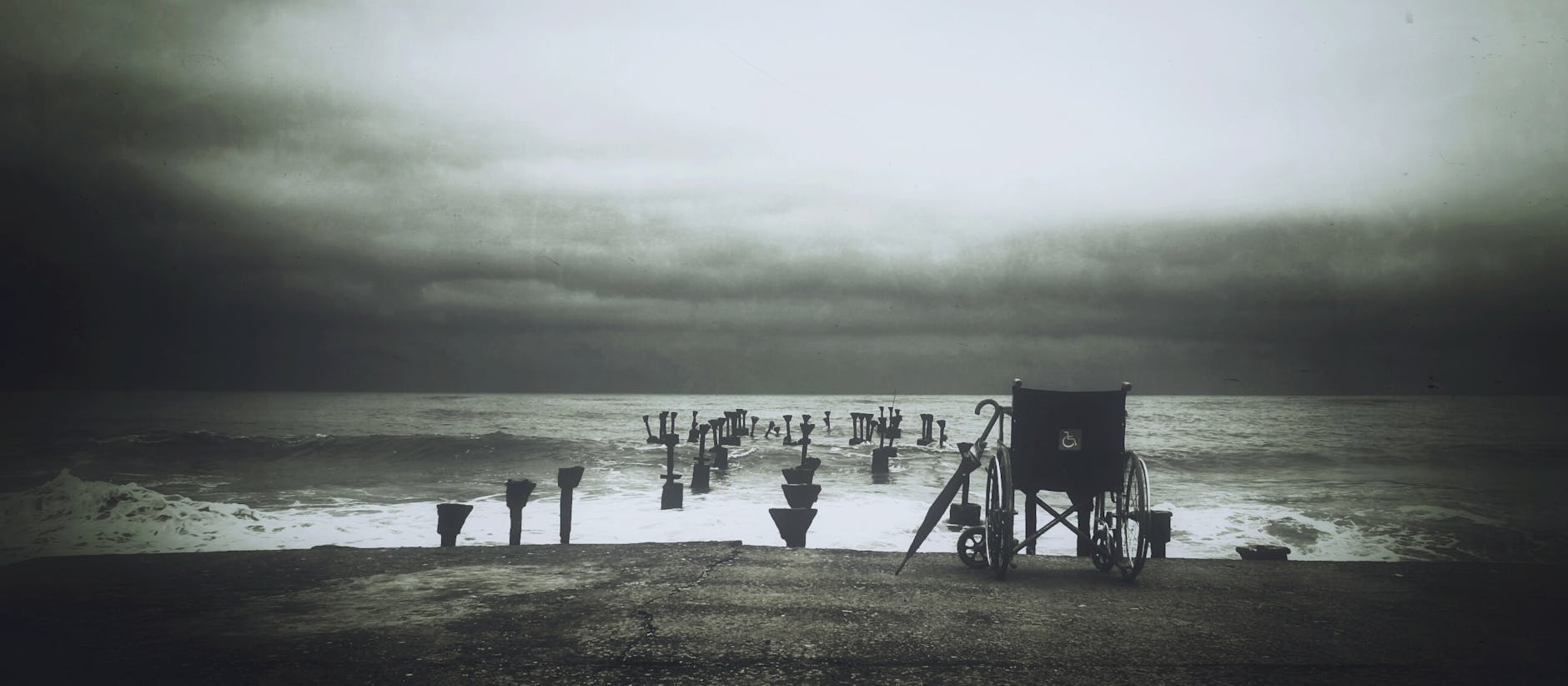
The loss of autonomy is a recurring theme in many haunted folklore narratives. Wheelchairs, though designed to empower, often symbolize this loss. Consider a story where a wheelchair moves by itself, controlled by unseen forces. It’s not just spooky; it’s a metaphor for losing control over one’s life.
This narrative speaks to the anxiety surrounding dependence on others or on devices. It evokes the fear of losing one’s agency, a fear that resonates with many, disabled and non-disabled alike. Through these metaphors, folklore taps into universal fears, making them accessible yet haunting.
Societal Exclusion and Its Haunts
Societal exclusion is another haunting theme. When mobility aids become objects of terror, it reflects the alienation faced by those who use them. Imagine a tale where a stairlift leads to nowhere, symbolizing an endless cycle of exclusion and isolation.
Such stories underscore the barriers that exist in society, both physical and social. They serve as a reminder of the haunting nature of being marginalized. These narratives compel us to confront how societal structures contribute to feelings of exclusion and to consider how we might change them.
Challenging Disability Stereotypes
Challenging stereotypes begins with changing the stories we tell. The portrayal of disability in folklore often leans towards the supernatural, casting it as an anomaly. But what if we flipped the script? Imagine stories where mobility aids are not haunted objects but tools of empowerment.
By reframing these narratives, we can begin to break down harmful stereotypes. This shift requires storytellers to consciously include diverse perspectives, ensuring that disability is represented in a fair and balanced way. It’s not just about telling new stories but about creating new understandings.
New Narratives in Folklore and Media
Creating new narratives involves not only challenging existing stereotypes but also introducing fresh perspectives. Modern media has the power to reshape how we view disability. Imagine films and books where characters with disabilities are heroes, not because of their disability, but alongside it.
These stories could inspire change, offering representation that reflects the true diversity of human experience. By doing so, we move towards a future where disability is not something to be feared or mystified but understood and accepted.
In conclusion, the narratives we embrace shape our perceptions. By revisiting and redefining the stories of haunted objects and mobility aids, we can foster a more inclusive society. The longer we wait to make these changes, the more entrenched stereotypes become. Let’s challenge the status quo and craft tales that empower rather than haunt.


 Katie Marie Robinson-Sherlock
Leave a reply to Andrew McDowell Cancel reply