Katie Marie
-

Book Review: The Intersection of Horror and Humanity in The Girl With All the Gifts
The Girl With All the Gifts redefines zombie fiction, merging horror with philosophical inquiries about humanity.…
-
Real world Horror: Possession and the Complex Interplay of Supernatural Beliefs and Psychological Explanations
This blog explores the historical interpretation of possession versus mental illness, revealing how supernatural beliefs influenced…
-
Disabled in the Dark: Writing Body Horror that Resonates
This post emphasizes the importance of balancing fear and empathy in horror storytelling. It suggests that…
-
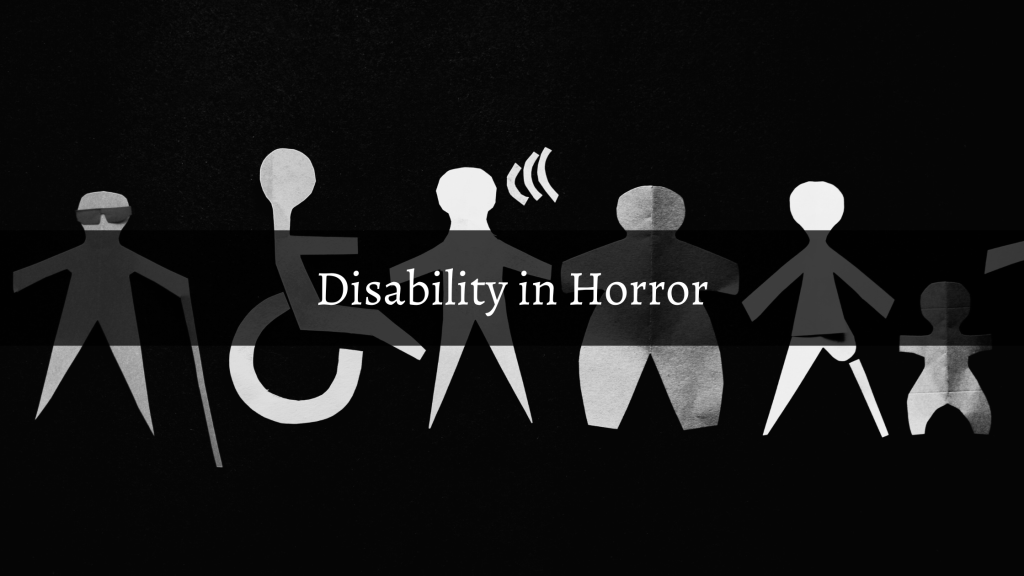
Inclusive Horror Cinema: How Accessibility Tools are Shifting the Genre’s Landscape
Accessibility in horror films, through captioning and audio description, enriches narratives and enhances viewer experience. These…
-
Easter Horror: When Spring goes Wrong
Easter traditionally symbolizes renewal, but it also offers fertile ground for horror. This article explores films…
-
Happy April Fools Day
April Fools’ Day focuses on harmless pranks and misdirection, but it also highlights the fear of…
-

Horror Writing: Crafting Fragmented Characters for an Authentic Narrative
This post discusses how incorporating schizophrenia into horror can create unsettling, authentic narratives that resonate with…
-

Creepypasta: How BEN Drowned Reflects Psychological Distress
BEN Drowned transcends typical horror with its exploration of psychological distress through digital glitches. The game…
-
Book Review: The Troop and the Art of Fear
Craig Davidson’s The Troop redefines horror by centering infection and parasitism as the true antagonists. Set…
-
Disabled in the Dark: The Babadook and Neurodivergent Trauma Representation in Film
The Babadook uses horror to explore psychological turmoil, particularly grief, anxiety, and parenting under stress. The…

